Project Overview:
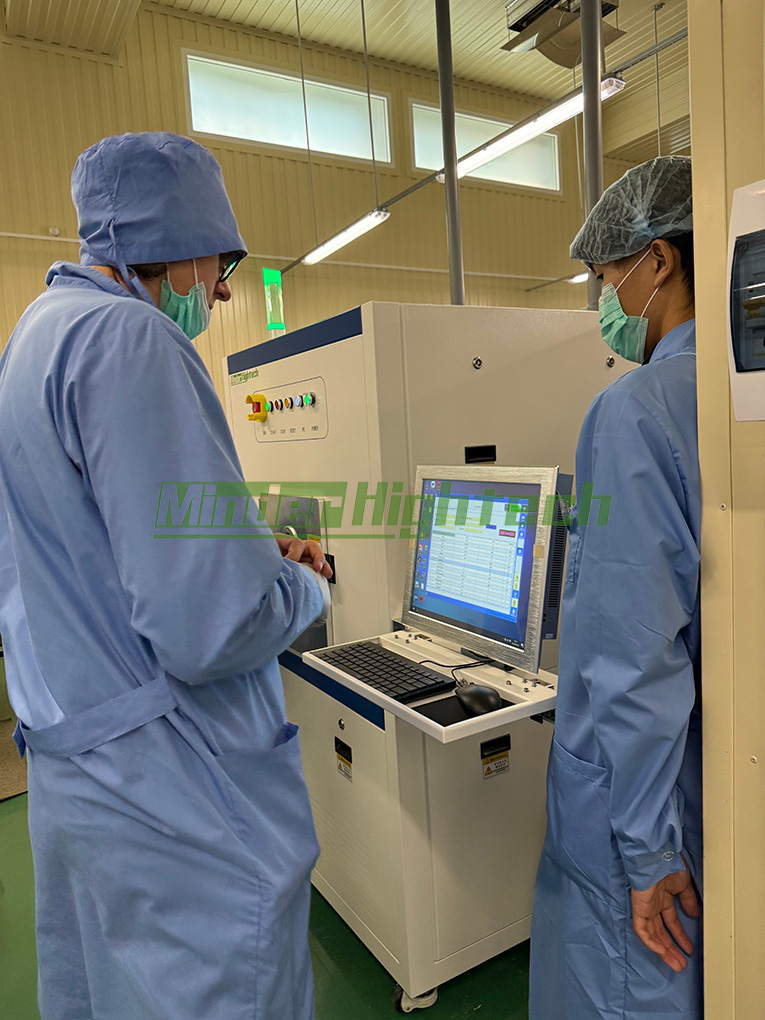
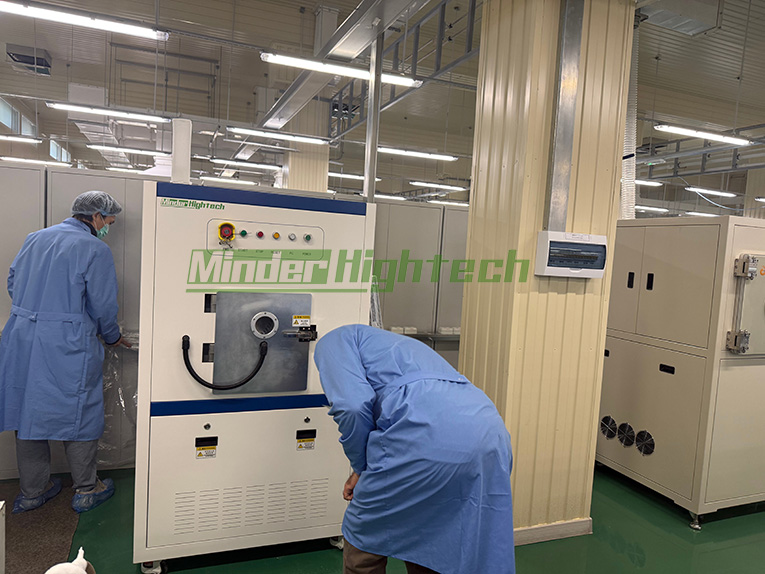
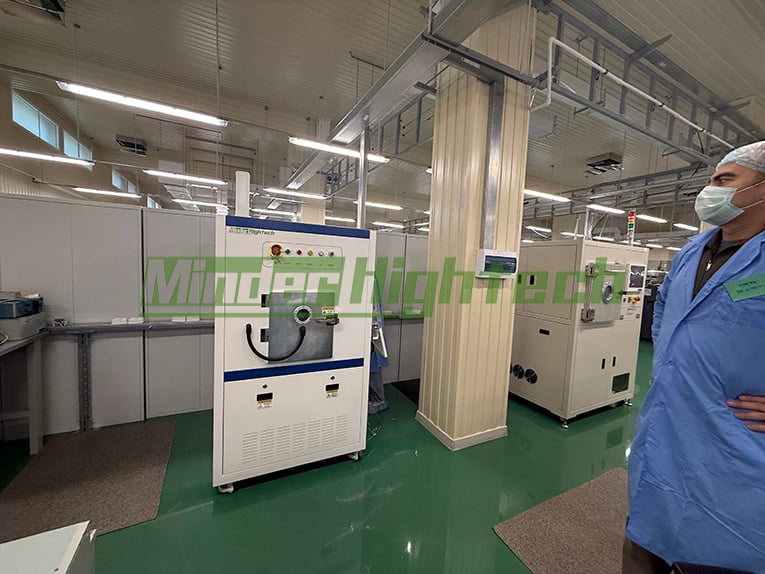
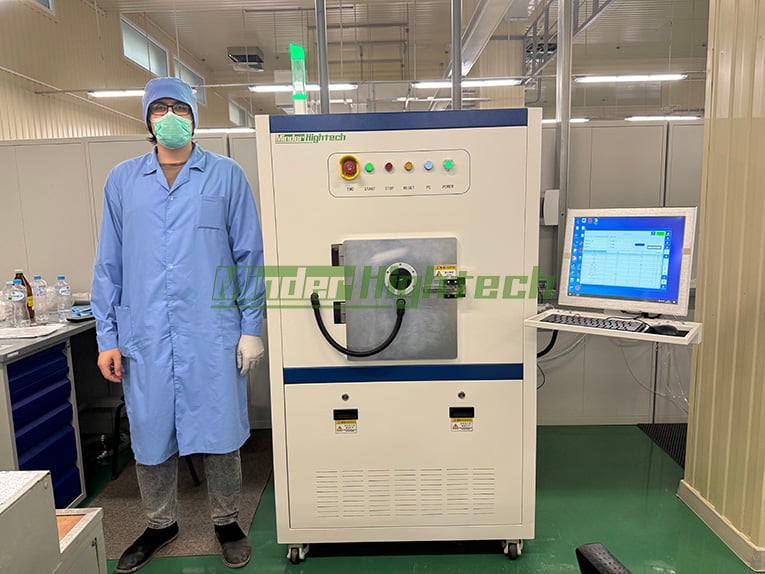
The Minder-Hightech MD-2300 batch-type Wafer Plasma Photoresist Stripper has been successfully installed, commissioned, and handed over—complete with operational training—at the Europe customer's facility. This equipment is primarily designed for photoresist removal and descumming processes on wafer surfaces, providing the customer with controllable RF plasma processing capabilities for semiconductor and microelectronics manufacturing.
The project scope encompassed not only the delivery of the plasma ashing equipment but also on-site installation, inspection, functional verification, operator training, and an introduction to fundamental process principles. Through these on-site services, the customer's operators gained an understanding of the equipment's structure, operational workflow, recipe configuration, and routine maintenance requirements, thereby laying the groundwork for subsequent process validation and mass production.
Customer Requirements:
The customer requires a solution for treating photoresist and process residues on wafer surfaces. Depending on the specific production stage, the wafer surface may feature a full layer of photoresist or merely thin remnants of primer or organic matter. Consequently, the equipment must support both bulk photoresist ashing/removal and finer surface treatment processes, such as descumming. For complete photoresist removal applications, the plasma system must be capable of stripping the target resist layer within a reasonable timeframe. For descumming processes, the focus shifts to removing thin residual layers at the base of patterns or in localized areas, while simultaneously controlling the impact of over-processing on wafer structures and subsequent manufacturing steps.
MD-2300 Plasma PR System: Introduction, Configuration, and Processing Principles:
The system offers adjustable RF power, process gas flow rates, vacuum pressure, and processing times, providing flexibility to tailor processes for various photoresist removal requirements. Final recipes must be optimized based on the specific photoresist type, resist thickness, upstream processes, and acceptance criteria used by the customer.
This wafer plasma photoresist removal system utilizes 13.56 MHz RF plasma technology, with an adjustable RF output power range of 0 to 1000 W. Oxygen serves as the primary process gas for photoresist ashing and organic contaminant removal, while argon can be used as an auxiliary gas depending on process requirements.
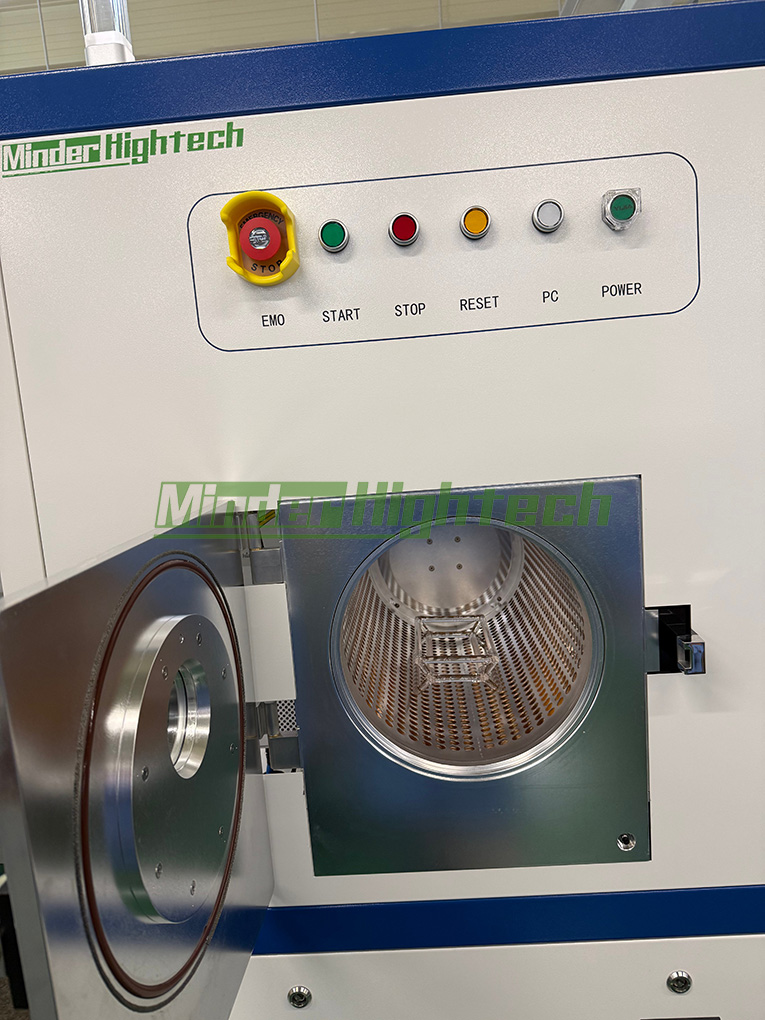
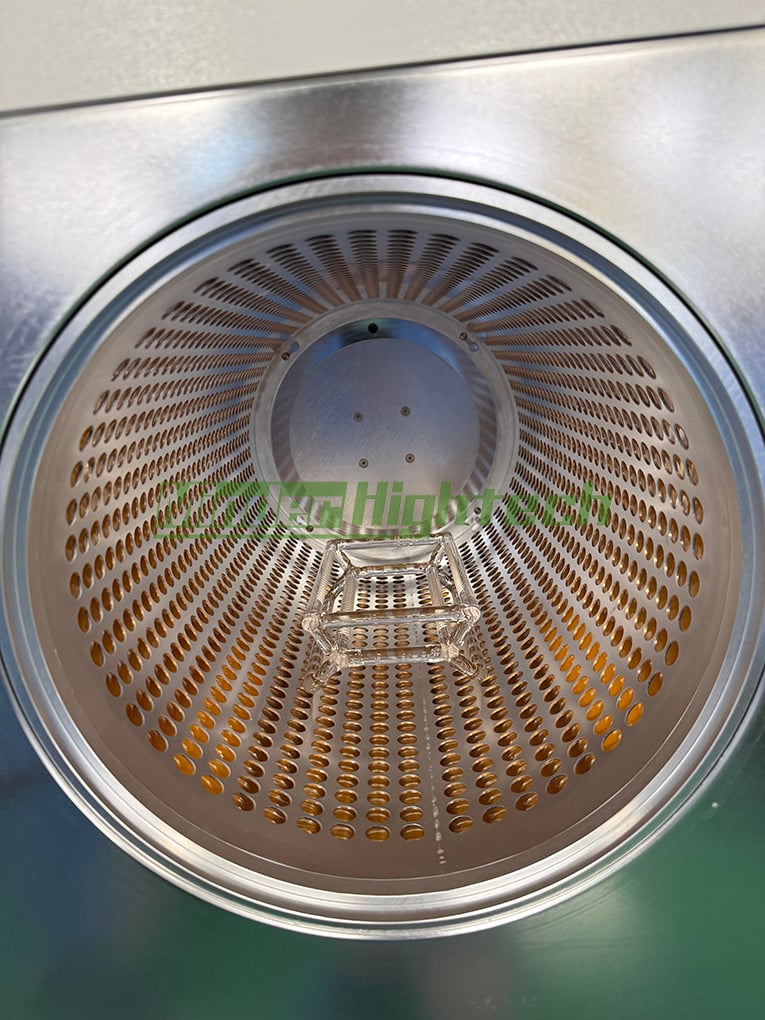
Once the chamber reaches the target vacuum level, process gases are introduced into the quartz reaction chamber, where RF energy generates plasma. Reactive species within the oxygen plasma react with the organic components of the photoresist to produce volatile byproducts that are exhausted via the vacuum system, thereby achieving dry photoresist removal and surface cleaning.
Compared to wet stripping methods, plasma photoresist removal reduces chemical usage and allows for precise control over power, flow rate, pressure, and time through recipe settings. However, any removal process requires validation based on the specific materials involved—particularly when processing photoresist exposed to high-dose ion implantation, thick resist layers, or temperature-sensitive wafer structures.
On-site Installation and Commissioning:
Upon the arrival of the equipment at the European customer's site, engineering personnel first inspected the equipment's exterior, critical components, and condition following transport, subsequently positioning the unit according to installation requirements. Next, they verified the connections for power supply, process gases, compressed air, exhaust, and other facility utilities.
The reference power supply requirement for the MD-2300 plasma asher is AC 380 V, 50/60 Hz, 40 A. The customer site must also provide oxygen, argon, nitrogen, and compressed air that meet process specifications. Gas purity, pressure, piping connections, and exhaust conditions must be confirmed against the final equipment configuration and utility specifications.
After completing the utility connections, the engineering team systematically checked the control system, vacuum system, process gas lines, RF power supply, matching system, and safety protection functions. Once the equipment's basic operational status was confirmed as normal, no-load testing and functional verification were conducted.
On-site training was a key component of the plasma asher delivery. The training covered equipment startup, shutdown, automatic operation, manual operation, recipe editing, batch processing, and handling of abnormal conditions.
Operators learned how to create process recipes based on specific products and configure key parameters, including:
- Oxygen and argon flow rates;
- RF output power;
- Chamber operating pressure;
- Processing time;
- Vacuum and gas-fill steps;
- Exhaust sequence following process completion.
The training also emphasized the importance of recipe management. For wafer photoresist removal equipment, a single set of parameters may not be suitable for all products. Factors such as photoresist type, thickness, baking conditions, wafer load quantity, and upstream processing status can all influence the actual removal rate and uniformity.
By saving validated process recipes, the customer can minimize operator-to-operator variability and improve repeatability across subsequent batches. Prior to full-scale mass production, it is recommended to conduct multi-batch tests using representative wafers to verify removal performance, uniformity, and process stability.
Guangzhou Minder-Hightech Co.,Ltd.
Copyright © Guangzhou Minder-Hightech Co.,Ltd. All Rights Reserved
 EN
EN
 AR
AR
 BG
BG
 CS
CS
 DA
DA
 NL
NL
 FI
FI
 FR
FR
 DE
DE
 EL
EL
 IT
IT
 KO
KO
 NO
NO
 PL
PL
 PT
PT
 RO
RO
 RU
RU
 ES
ES
 SV
SV
 TL
TL
 IW
IW
 ID
ID
 LT
LT
 SR
SR
 SL
SL
 UK
UK
 VI
VI
 ET
ET
 HU
HU
 TH
TH
 TR
TR
 FA
FA
 AF
AF
 MS
MS
 GA
GA
 IS
IS
 HY
HY
 AZ
AZ
 KA
KA