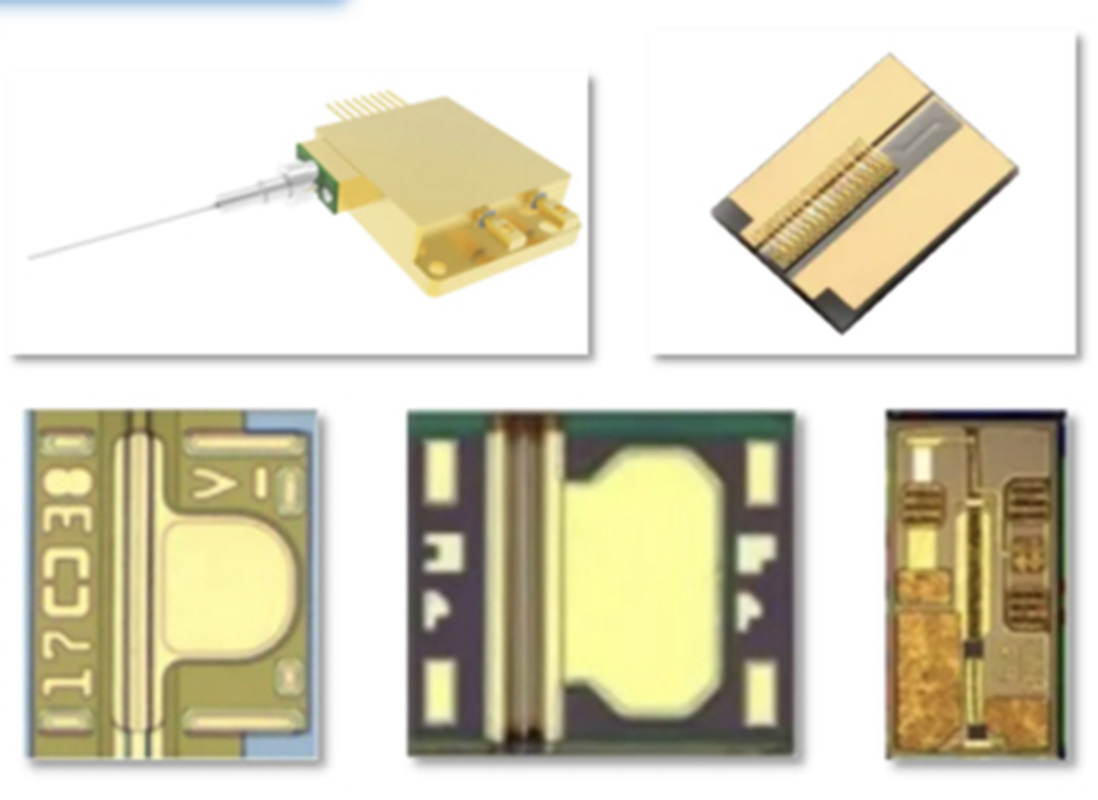
Applications: Micro-component assembly, Debonding Process for Specialized Materials, Photodiode
Chip attachment, Packaging and bonding of high-end chips, Laser Bar Bonding,
Laser bonding, Various types of ultra-high-precision micro-assembly, Assembly of high-end devices.
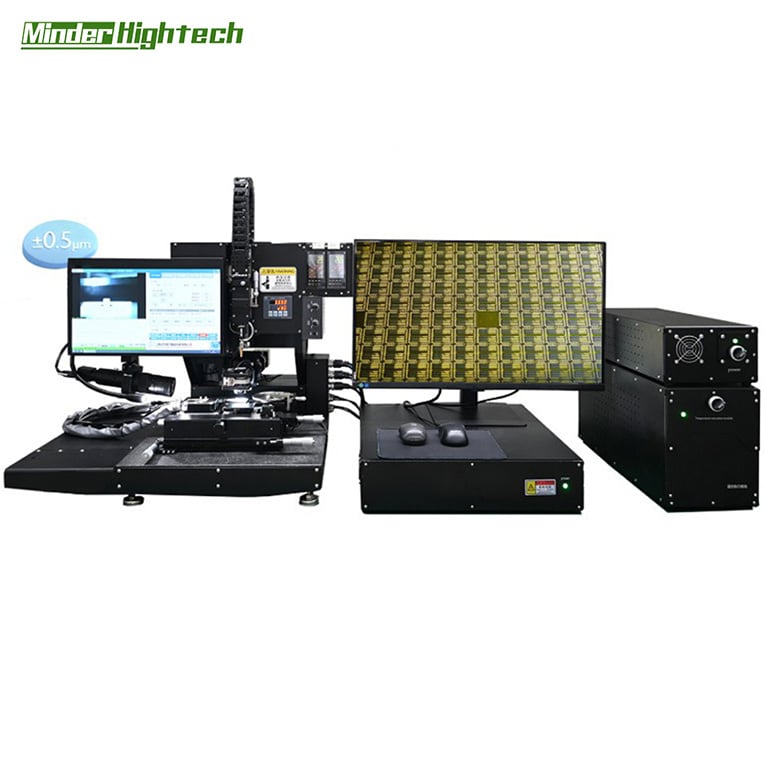
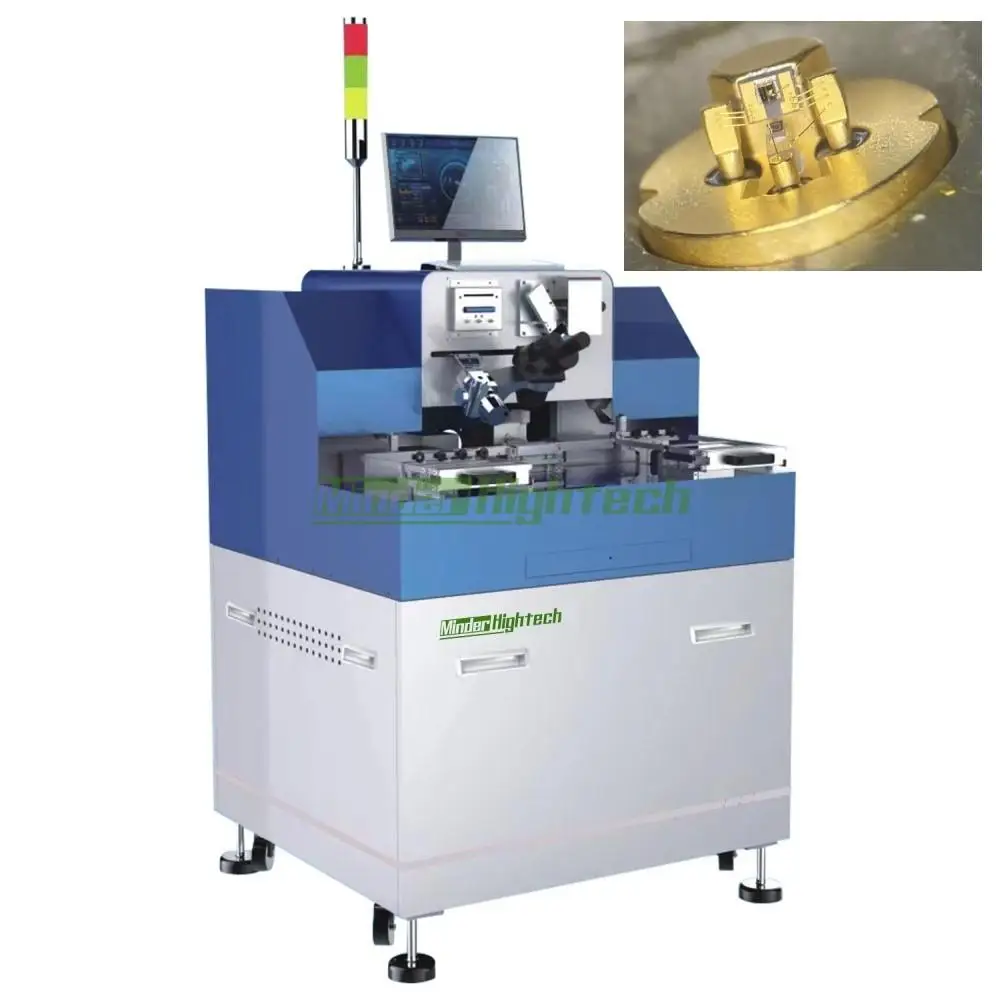
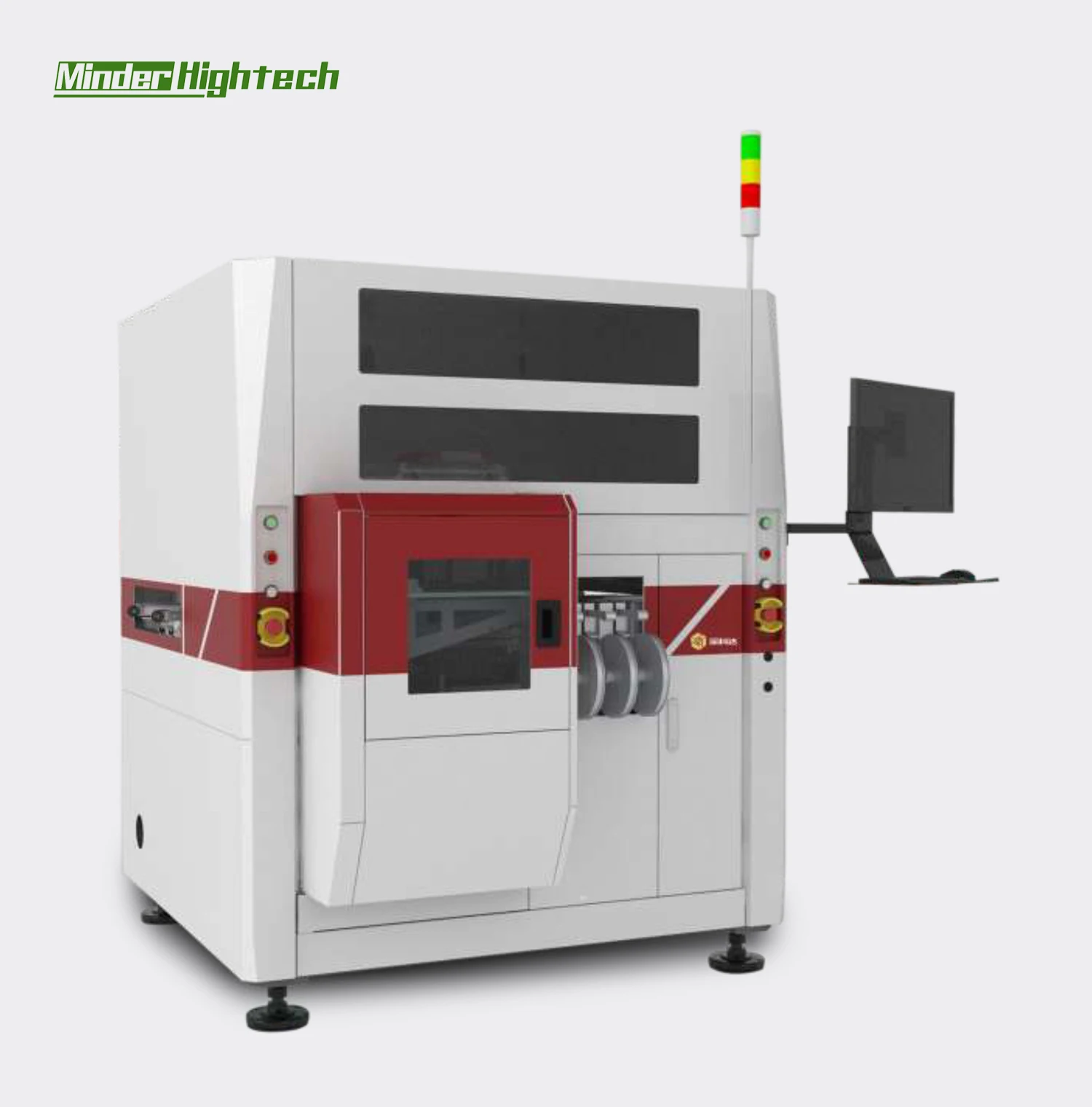
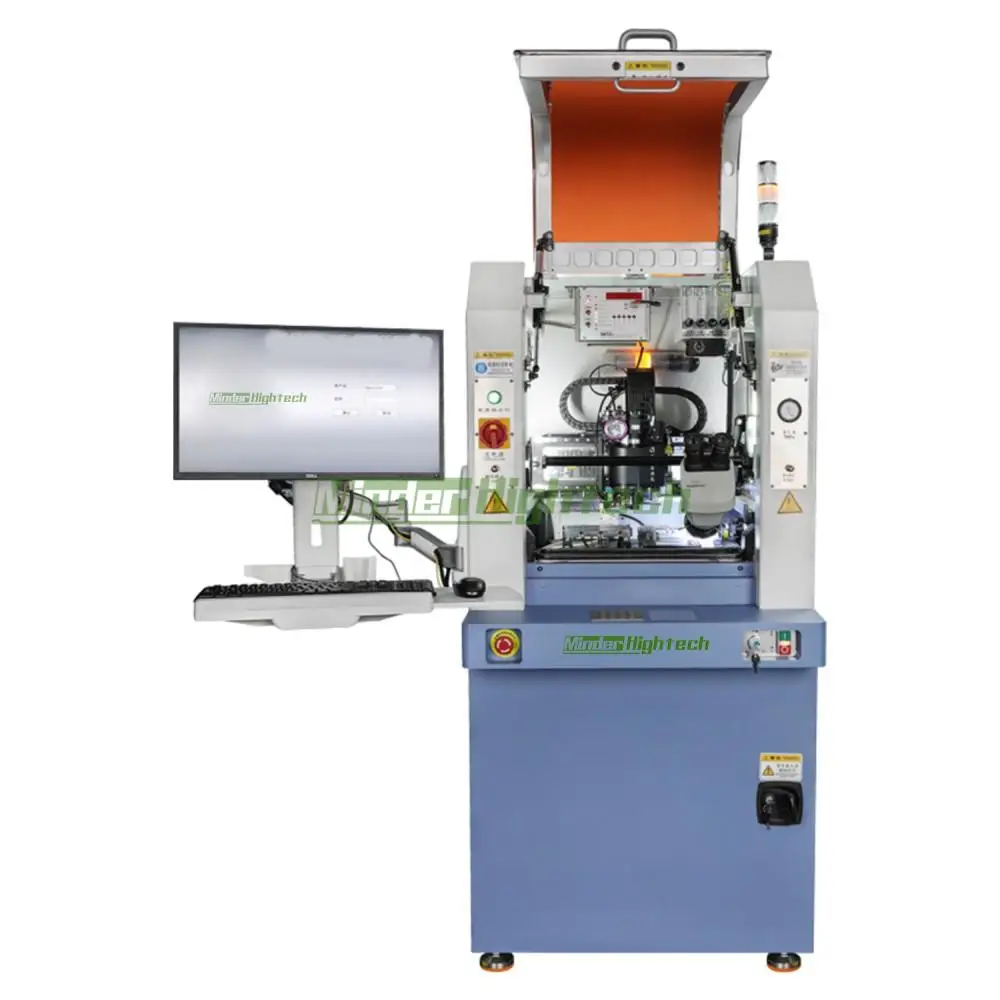
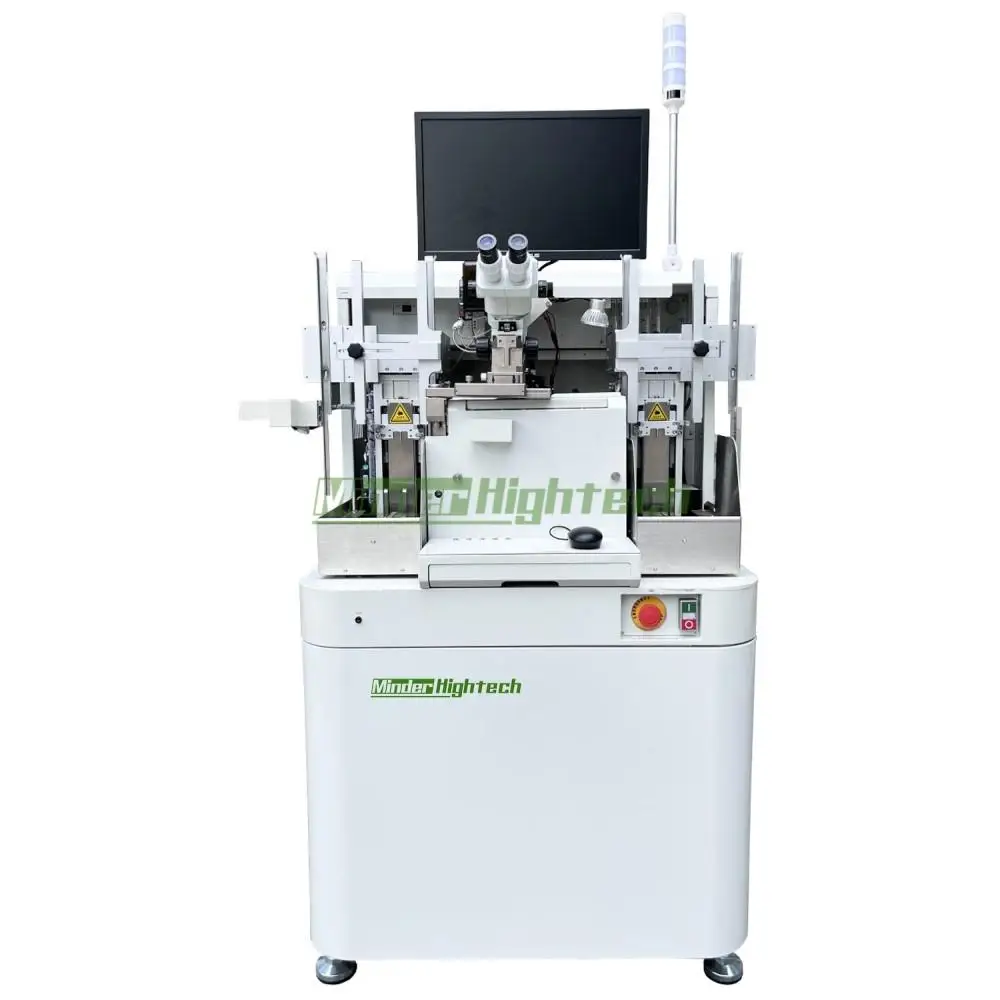
The Multifunctional Sub-Micron Die Bonder is a high-performance system designed for micro-assembly and bonding processes in laboratory-scale process development. It supports a wide range of applications—including die-to-heatsink and die-to-wafer bonding, assembly of miniature components, laser diode bonding, high-end device and chip packaging, ultra-high-precision micro-assembly, photodiode assembly, laser bar bonding, and the debonding of specialized materials—serving as an essential tool for experimental research and development across various fields.
Applications:
Micro-component assembly, Debonding Process for Specialized Materials, Photodiode
Chip attachment, Packaging and bonding of high-end chips, Laser Bar Bonding,
Laser bonding, Various types of ultra-high-precision micro-assembly, Assembly of high-end devices.
Die-to-heat sink substrate bonding:

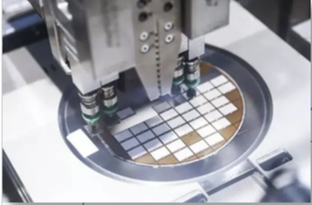
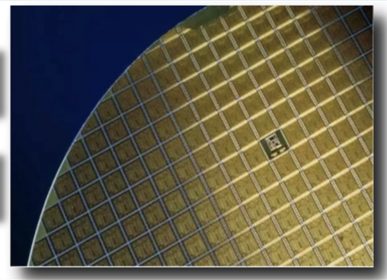
Die-to-wafer bonding
Core Advantages:
Process:
Features:
Configuration Modules / Optional Application Modules
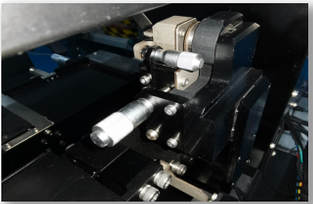
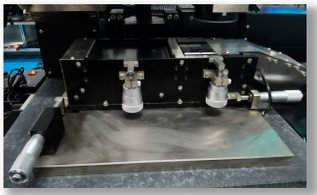
Technical Parameters:
Parameter |
Spec |
Placement accuracy |
Up to ±0.5 µm (accuracy range selectable via the configuration options) |
Chip size |
0.05 mm × 0.05 mm to 100 mm × 100 mm (die/chip size range selectable via the configuration options) |
Substrate size |
0.05 mm × 0.05 mm to 300 mm × 300 mm (substrate size range selectable via the configuration options) |
Temperature |
Up to 500°C (heating method and temperature range selectable via the configuration options) |
Bonding force |
0.05 N to 5000 N (bonding force range selectable via the configuration options) |
Optional Configurations:
1. Conventional thermocompression bonding—requires modules such as: standard non-heated pickup nozzles, temperature-profile-controlled heating modules, and high-precision pressure modules.
2. Standard die bonding (without heating)—requires modules such as: standard non-heated pickup nozzles and high-precision pressure modules.
3. Epoxy-dispensing die bonding—requires modules such as: standard non-heated pickup nozzles, manual dispensing modules, and high-precision pressure modules.
4. Ultrasonic gold-ball bonding—requires modules such as: standard non-heated pickup nozzles, ultrasonic modules, and high-precision pressure modules.
5. Debonding-mode die bonding—requires modules such as: universal self-balancing pickup nozzles, temperature-profile-controlled heating modules, and high-precision pressure modules.
Guangzhou Minder-Hightech Co.,Ltd.
Copyright © Guangzhou Minder-Hightech Co.,Ltd. All Rights Reserved
 EN
 AR
 BG
 CS
 DA
 NL
 FI
 FR
 DE
 EL
 IT
 KO
 NO
 PL
 PT
 RO
 RU
 ES
 SV
 TL
 IW
 ID
 LT
 SR
 SL
 UK
 VI
 ET
 HU
 TH
 TR
 FA
 AF
 MS
 GA
 IS
 HY
 AZ
 KA