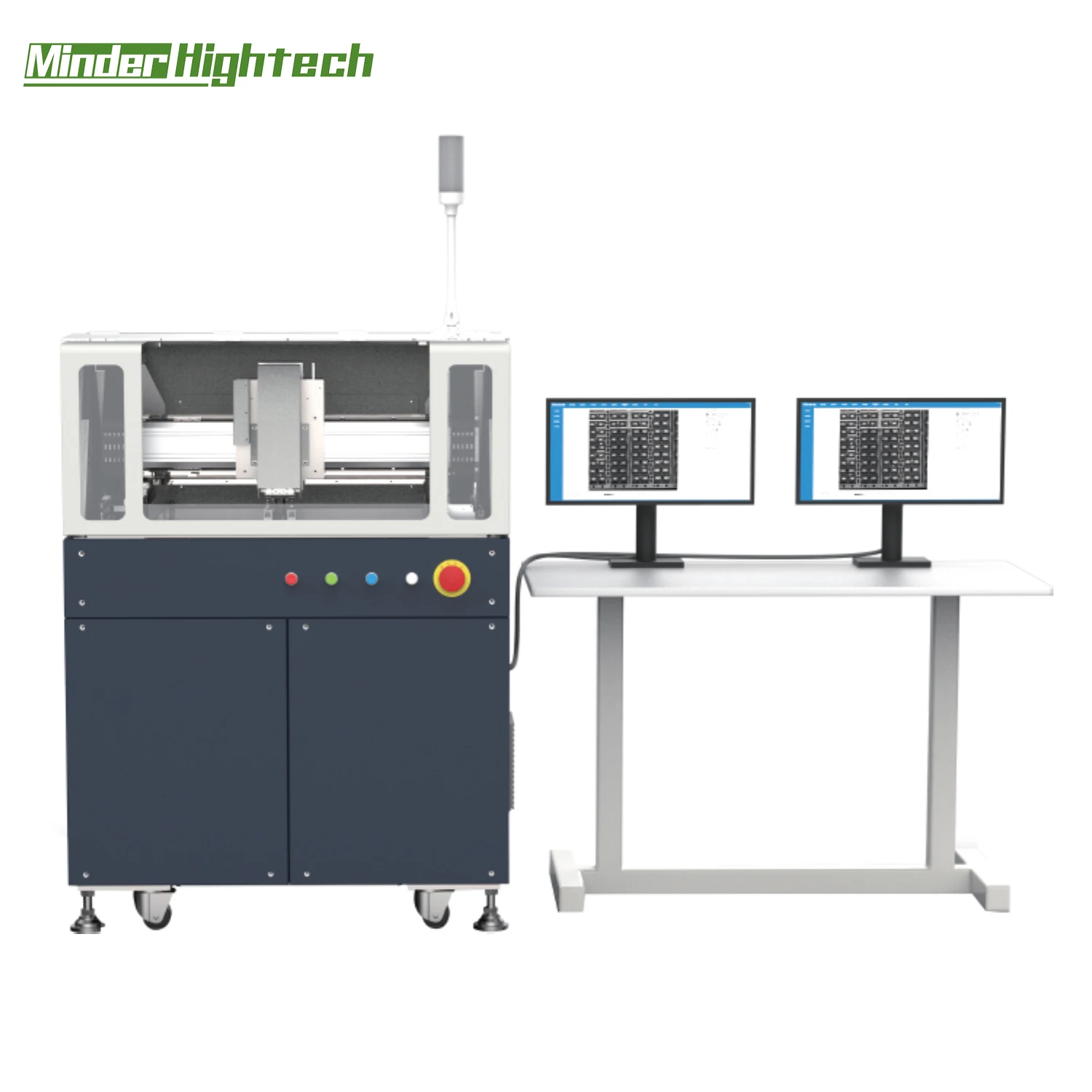
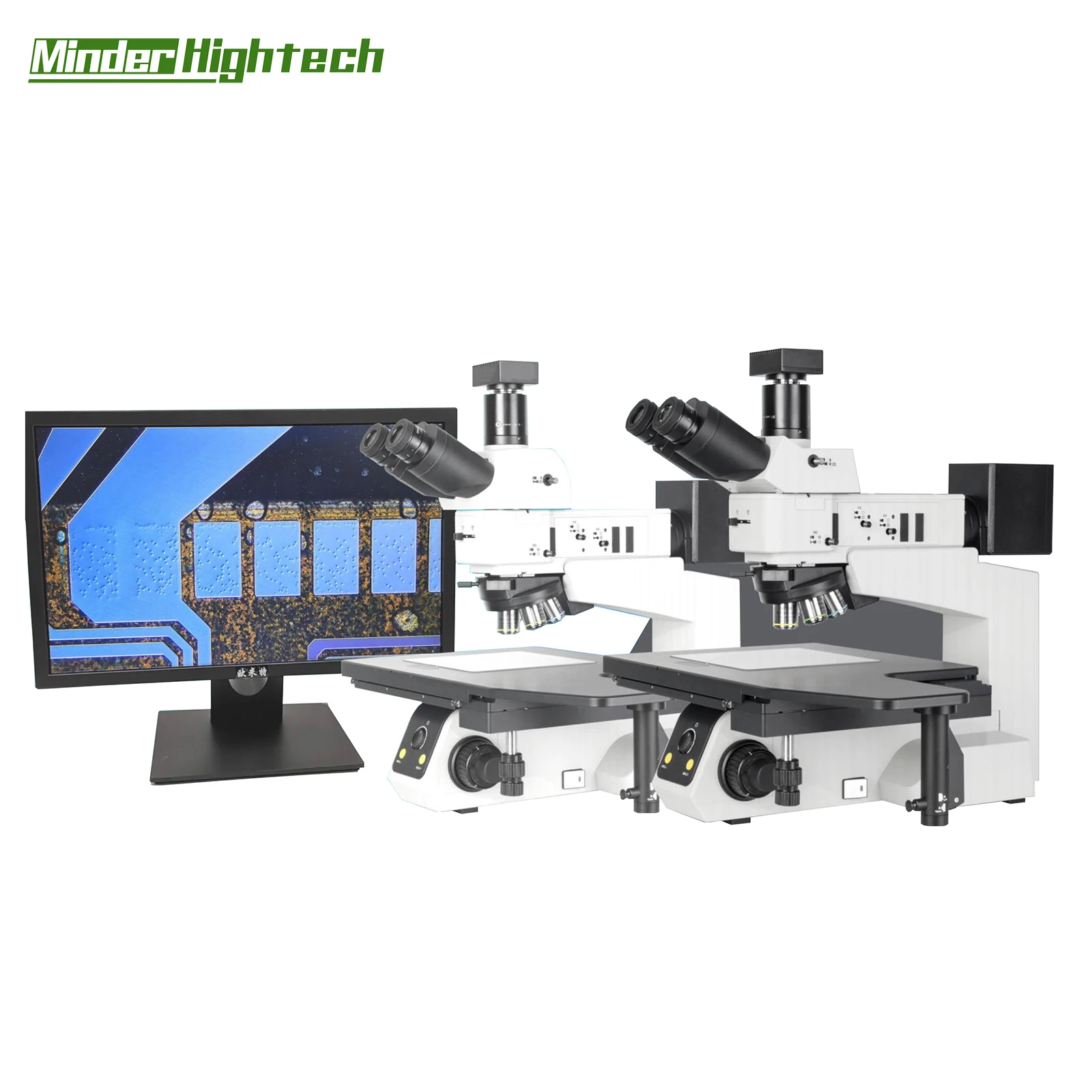
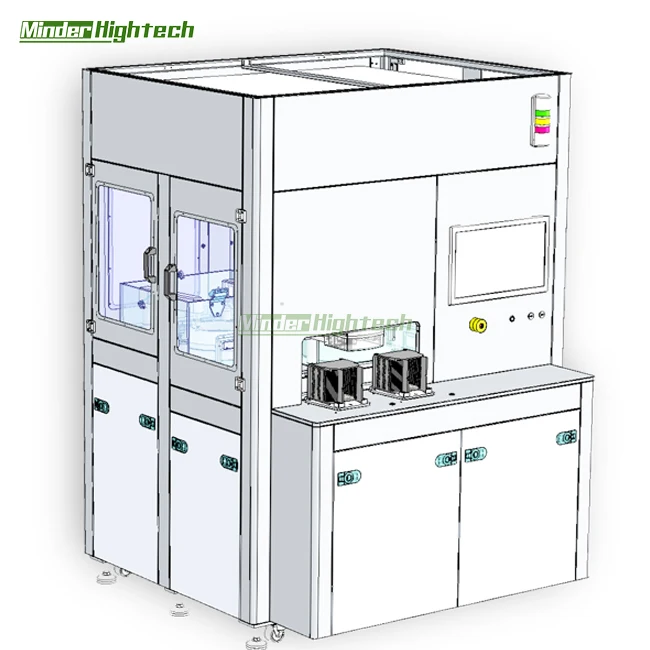
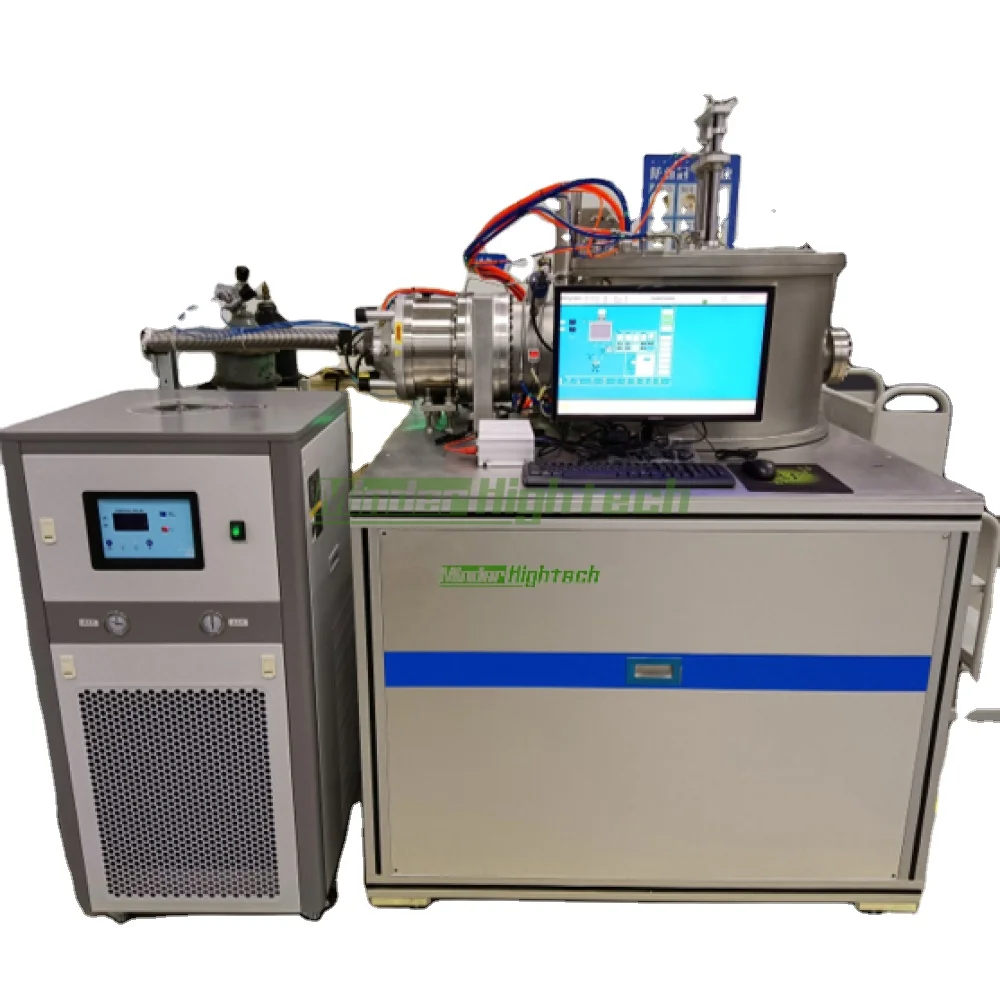
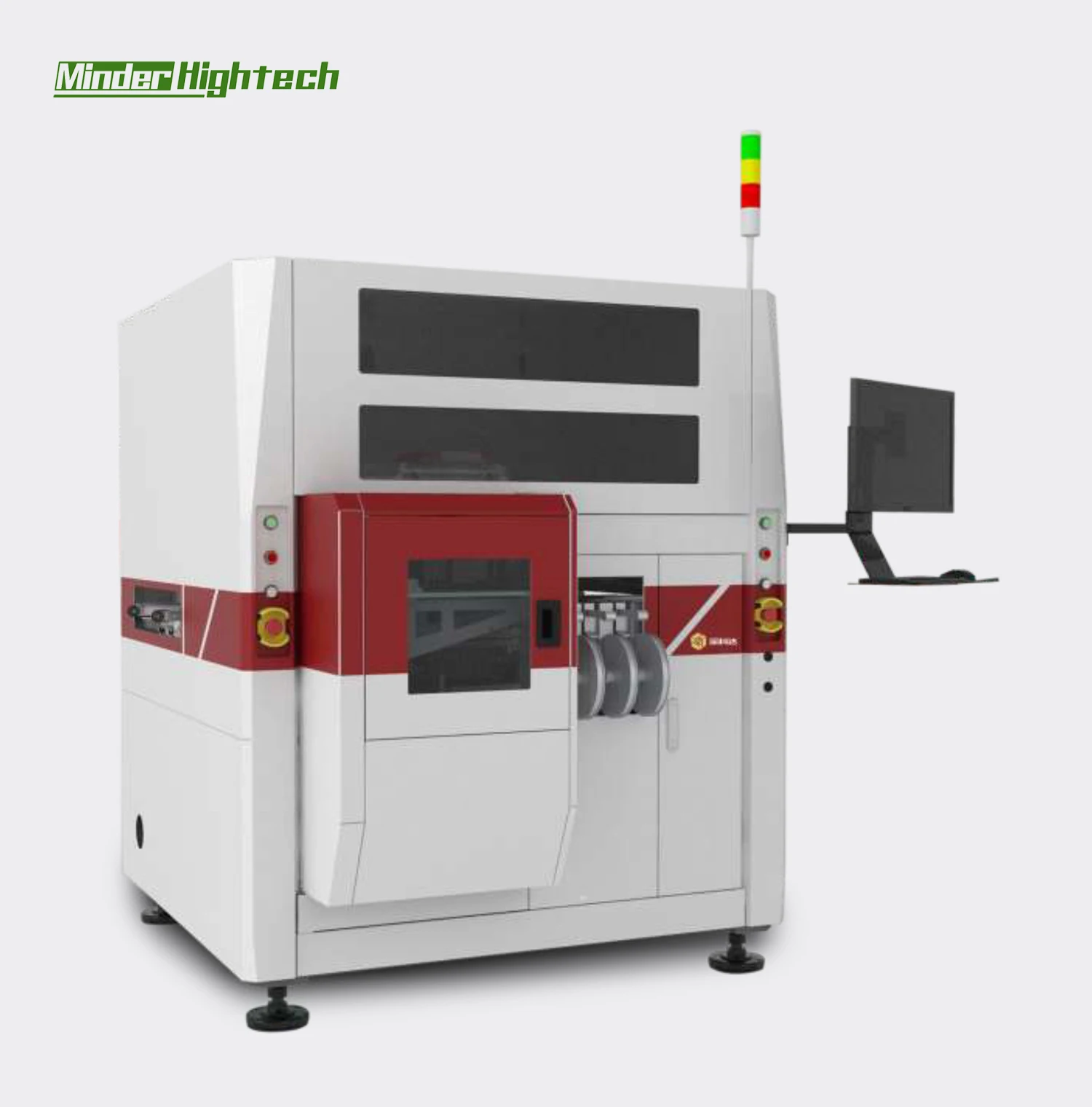
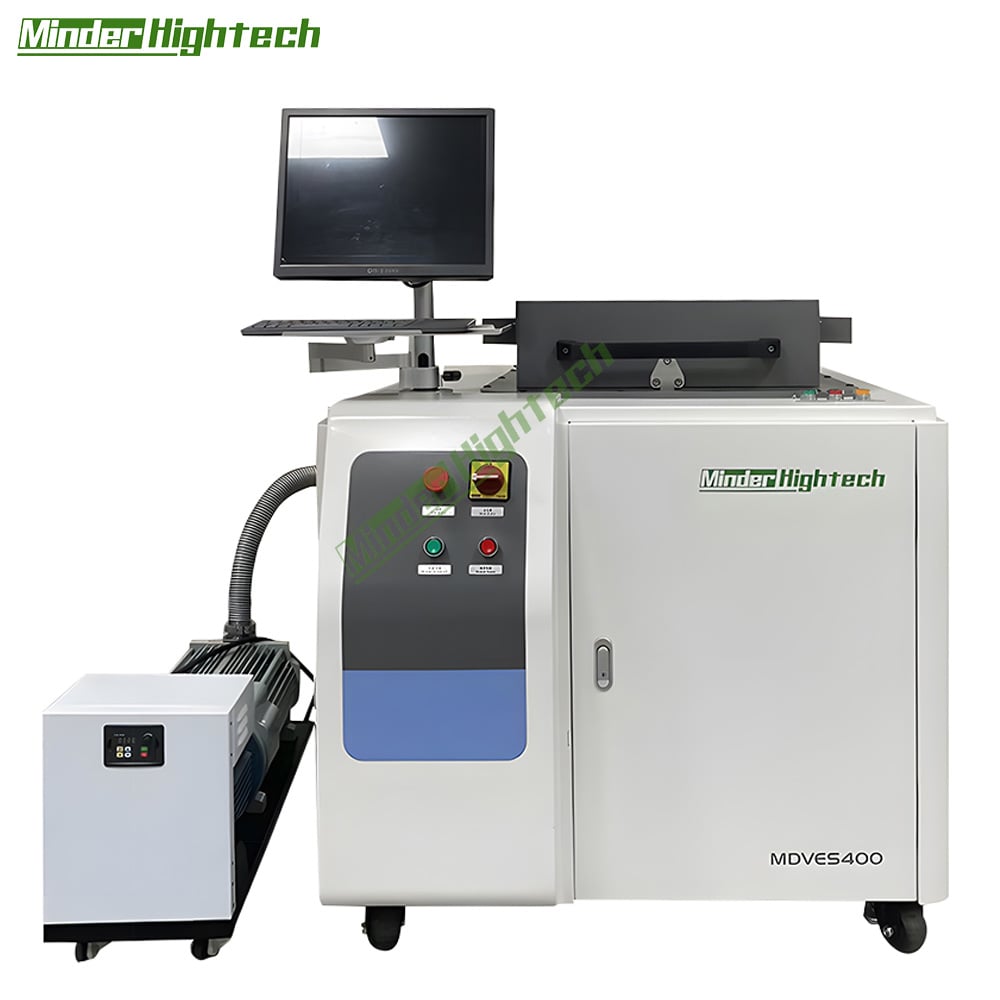
In the vast and exciting land of electronics, getting tiny wires connected to any given device is key. They do this through a process called wire bonding. It is extracted to make the electronic components that are used in our daily lives like laptops, mobiles and tablets. These devices would be of little use if the wire bonding is not there.
However, due to the fact that the wires are so thin (smaller than a mm!) wire bonding is very critical. For reference, this is about the size of a human hair. If the wires are not connected properly, your equipment will simply fail to operate and you would be rightfully annoyed. Wire bonding is a skill that requires practice and patience. Folks that do this have to be laser-focussed and with hands of stone, rocks solid and steady... everything must perfectly fall into its right place.
Wire bonders are the specific equipment utilized for wire bonding. The first type is simple which require a person to operate, moving on there are some types of machines that have an ability to work all alone and do not need any help. The main reason is that the automatic machines work faster and do not need to halt anywhere therefore most of electronic makers try using them rather than manually guided ones.
Those are use automatic wire bonders make thousands a day. They can bond wires nonstop which implies they do not take breaks like a human. These machines can then move very small wires really fast and with great accuracy, which makes them work quickly and make many electronic devices in a shorter time. This efficiency has played an important role in our fast world today where we require gadgets for many reasons daily.
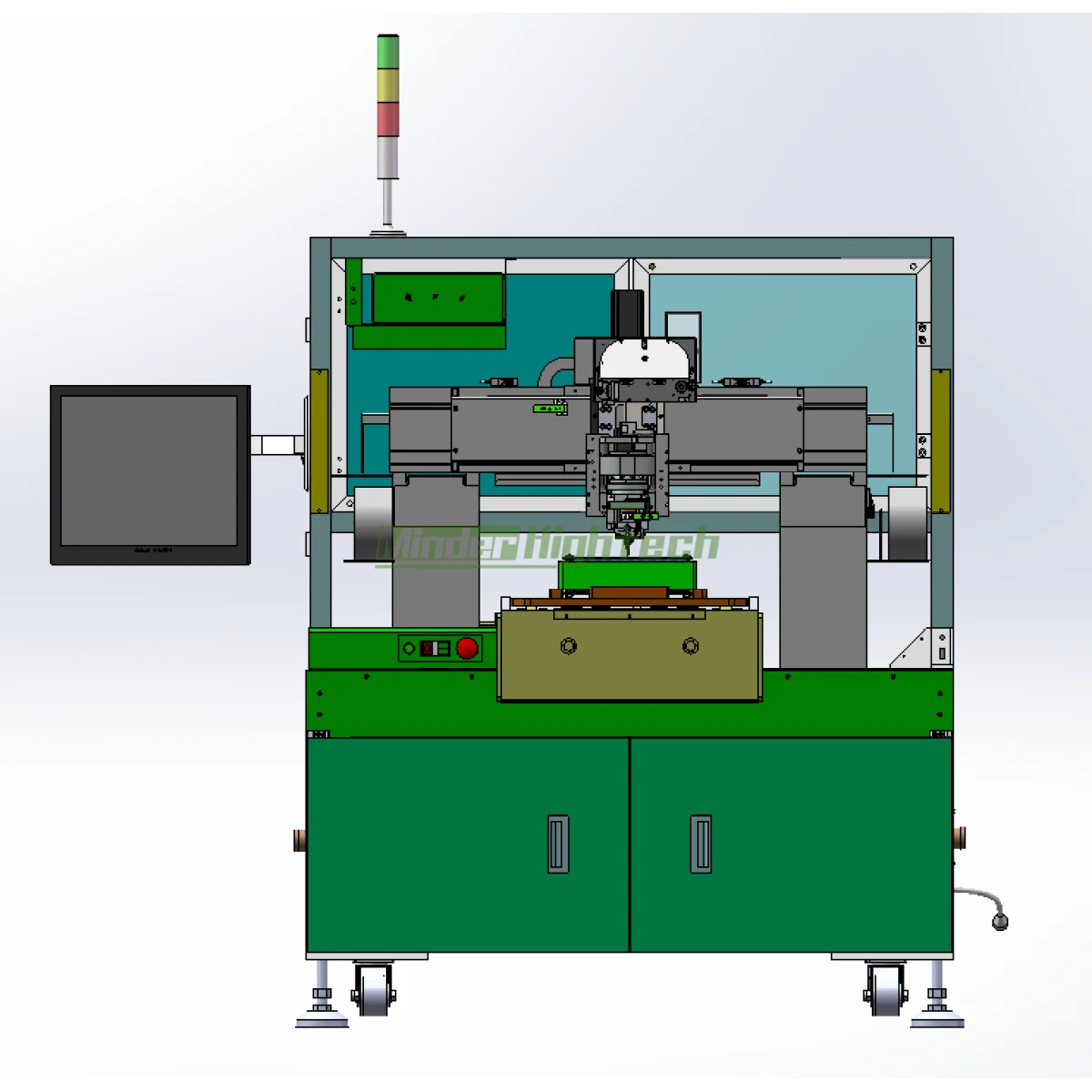
The machines used in microelectronics assembly must cater to wires that are smaller than a human hair! This seems like an impossible task, considering that the connections need to be extremely robust and dependable. One small error and you might brick the whole expensive electronic device that's why everyone involved in this work has to be super cautious.
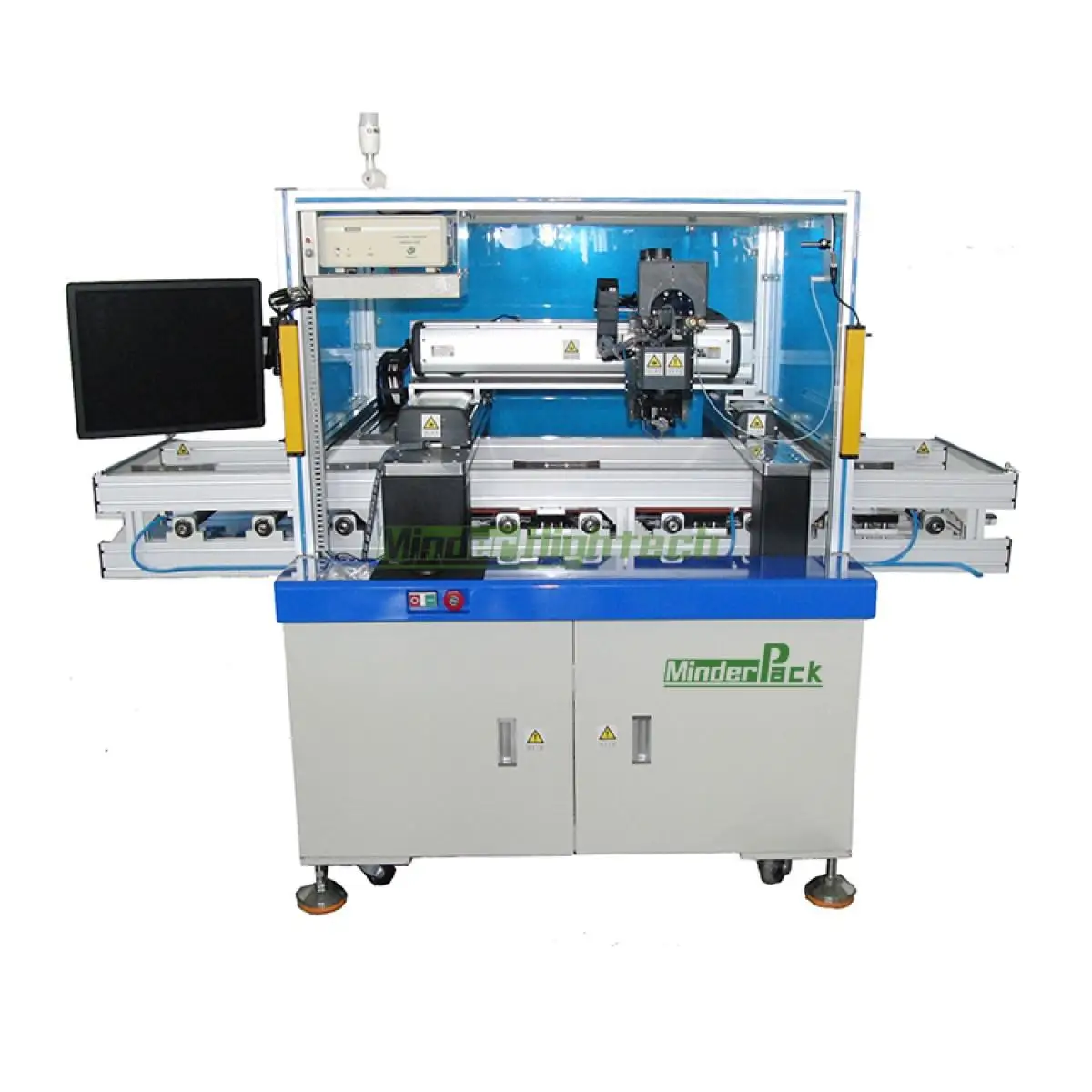
Two popular bonding methods are wedge Bonding and ball bond. Wedge bonding uses a wedge-shaped tool to push the wire in place for making the connection. Ball bonding is where we heat the wire until its soft and then forms a little ball at one end of the OCR. After this a ball is pressed upon the electronic part to make sure they are secured with each other. In summary, both are effective in practice but choice should be determined by the needs of the device being manufactured.
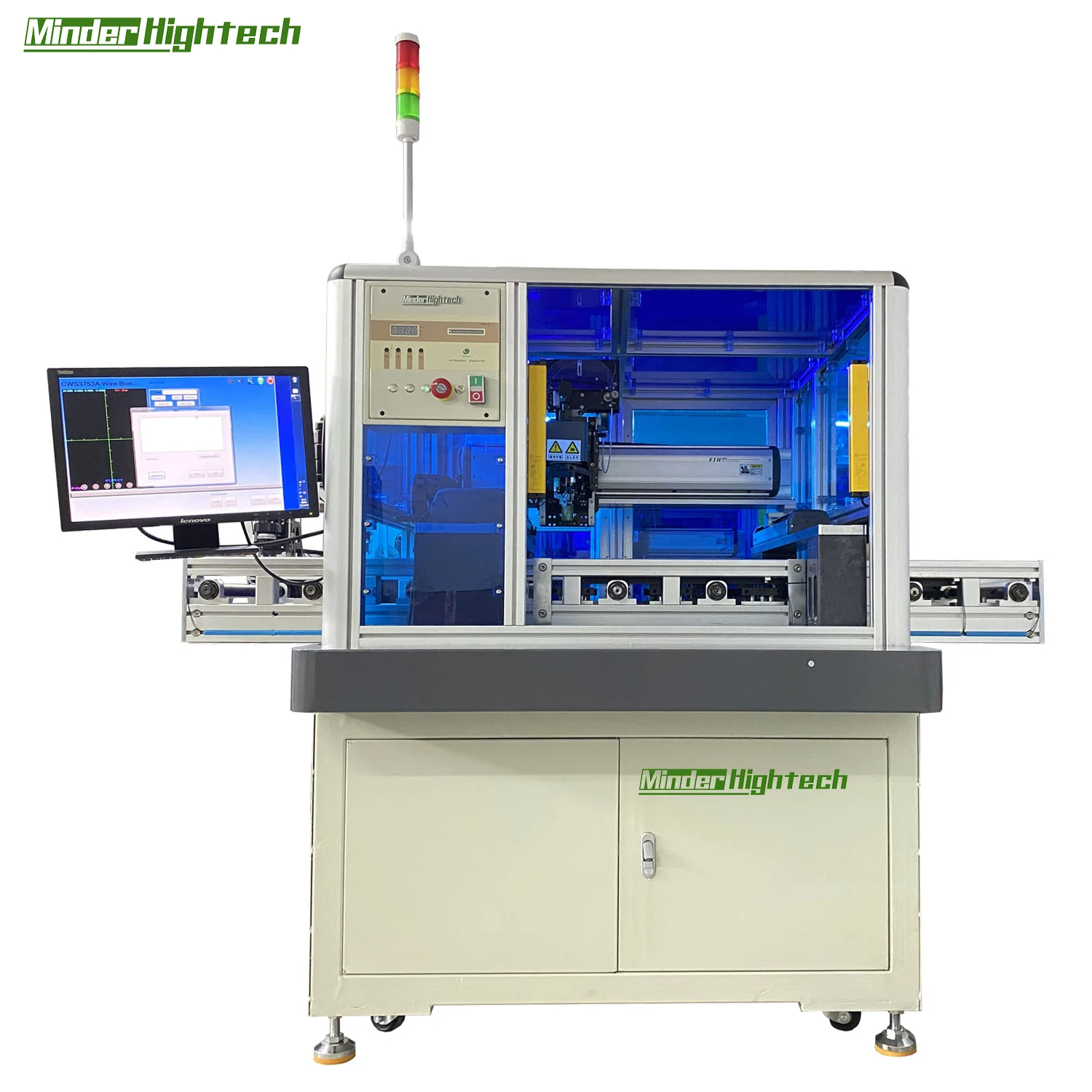
Considering the sister method as a backbone of high-tech electronics because it is less failure-prone. A wire bond is robust - it can withstand the heat, vibrations and other hazards that are standard fare in high-tech devices. That means the devices can still operate as intended even when they are used in tough environments.
Wire bonder represents the semiconductor and electronic products sector in service and sales. We have more than 16 years of experience selling equipment. We're committed to providing customers Superior, Reliable and One-Stop Solutions for machinery equipment.
Our primary products are: Wire bonder, Wire bonder Dicing Saw, Plasma surface treatment Photoresist removal machine Rapid Thermal Processing, RIE, PVD, CVD, ICP, EBEAM, Parallel sealing welder, Terminal insertion machine, Caparitar winding machines, Bonding tester, etc.
Wire bonder is comprised by a team of highly educated experts, highly skilled engineers and staff, who have exceptional professional experience and skills. The products of our brand are widely available in industrialized nations around the world, helping our customers to improve their efficiency, cut expenses and increase their product's quality.
Minder-Hightech has become a popular brand in the world of industrial. With our many years of Wire bonder in machine solutions and our long-standing relationships with overseas customers, we created "Minder-Pack" which focuses on the machine solution for packaging as well as other premium machines.
Guangzhou Minder-Hightech Co.,Ltd.
Copyright © Guangzhou Minder-Hightech Co.,Ltd. All Rights Reserved
 EN
EN
 AR
AR
 BG
BG
 CS
CS
 DA
DA
 NL
NL
 FI
FI
 FR
FR
 DE
DE
 EL
EL
 IT
IT
 KO
KO
 NO
NO
 PL
PL
 PT
PT
 RO
RO
 RU
RU
 ES
ES
 SV
SV
 TL
TL
 IW
IW
 ID
ID
 LT
LT
 SR
SR
 SL
SL
 UK
UK
 VI
VI
 ET
ET
 HU
HU
 TH
TH
 TR
TR
 FA
FA
 AF
AF
 MS
MS
 GA
GA
 IS
IS
 HY
HY
 AZ
AZ
 KA
KA