EN
EN
 AR
AR
 BG
BG
 CS
CS
 DA
DA
 NL
NL
 FI
FI
 FR
FR
 DE
DE
 EL
EL
 IT
IT
 KO
KO
 NO
NO
 PL
PL
 PT
PT
 RO
RO
 RU
RU
 ES
ES
 SV
SV
 TL
TL
 IW
IW
 ID
ID
 LT
LT
 SR
SR
 SL
SL
 UK
UK
 VI
VI
 ET
ET
 HU
HU
 TH
TH
 TR
TR
 FA
FA
 AF
AF
 MS
MS
 GA
GA
 IS
IS
 HY
HY
 AZ
AZ
 KA
KA

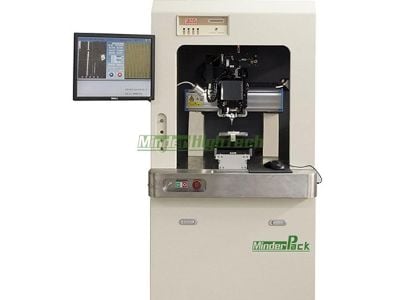
Wedge Error Compensation (WEC) is a clever trick they use in chip labs to ensure that mask and wafer surfaces align when manufacturing minuscule computer chips. Such chips are critical for all sorts of technology, from smartphones to computers. When the mask (which includes the pattern for the chip) and wafer (where the chip is built) aren’t perfectly aligned, it can lead to issues. That’s where wedge tool comes in. By fixing such mistakes, WEC reduces the chances that the chips will be fabricated incorrectly and work poorly. At Minder-Hightech, we know how much this process means to businesses that depend on quality chips.
What WEC Chip Laboratories Want Wholesale Buyers to Know?
The importance of understanding WEC cannot be emphasized enough for wholesale buyers. This helps precisely align the mask and wafer, thereby minimizing tolerance errors. In the production of chips, a tiny misalignment can translate into wasted materials and time both expensive. WEC devices compensate for errors associated with the instrument or the environment. As an example, if the temperature changes it may expand or contract the materials. WEC can improving that by making small adaptations as you go through the alignment.
Buyers should also weigh how WEC systems offer improvements in the overall efficiency of production. Better alignment allows a smoother manufacturing process which results in more chips produced faster. That means buyers can get their goods more quickly. Using Deep access wedge bonder also helps control the rate of defective chips, potentially resulting in naturally happier customers. It is useful to inquire about the particular characteristics of the WEC under investigation. How does it work? What technology is used? Knowing the specifics could help to inform buyers.
And, it is nice to know that the WEC systems can be combined with other technologies in a lab. This can even involve automation processes that help cut production time down to size. As Minderhightech we are committed to deliver the best solutions to our customers enabling them to serve their customer demand as efficiently as possible. It is important for buyers to select partners who are fluent in the latest technology trends and can readily provide support. Having dependable partners in the supply chain can make all the difference in speedy chip manufacturing.
How WEC Solves Typical Mask and Wafer Alignment Problems?
WEC is a bit like giving a superpower to chip-making machines. It also addresses problems that frequently arise during the positioning of mask and wafer. One big issue is distortion. On occasion, the mask or wafer might become bent or warped in a way that makes it difficult to line them up properly. The wedge tool for gold wire is able to detect this bending and correct accordingly. This is important because, if the mask and the wafer are misaligned, you end up with chips that have defects and will either not work, or won’t perform well.
A second issue is the variation of equipment. Each machine could do so in slightly different ways, resulting in alignment errors. WEC can mitigate these variations, so that each chip produced is as good as the previous one. Suppose the machine is a little off one day from wear and tear. WEC can spot that and make minute-by-minute adjustments, much as a coach would work with players to fine-tune technique during a game.
Alignment issues also have a lot to do with environmental factors. Temperature and humidity can cause materials to warp. WEC systems can detect these changes and adjust, keeping the mask and wafer aligned even in such cases. This consistency is critical for chip labs that have to adhere to stringent quality criteria. At Minder-Hightech, we know these changes are crucial to keeping your production capacity on a consistent high level.
In a nutshell, WEC is revolutionising chip production. It addresses alignment problems that can lead to serious issues, meaning that every chip produced is precise and reliable. For those creating the chips, that means less waste, better efficiency and happier customers. Selecting advanced WEC offerings enables companies to improve the production process and remain competitive on the market.
How WEC Enhances Product Quality in Semiconductor Production?
Wedge Error Compensation (WEC) is a crucial technology in chip fabrication. It ensures that the mask and wafer are in perfect alignment when tiny chips are made. In semiconductor manufacturing, a mask is kind of like a stencil that patterns are cut into. These patterns, which are made of light-sensitive material similar to photographic film, are used to generate small circuits on the wafer (a slice of silicon). It’s risking mishaps if the mask and wafer aren’t perfectly aligned. The microscopic circuits may not be manufactured properly, resulting in chips that do not function well. This is where WEC comes in.
WEC contributes to quality of the chips by aligning mask and wafer properly. It is able to do this by detecting any miniscule errors or gaps between the two objects. When WEC detects such errors, it corrects their positions of mask or wafer. Thus, the patterns of the mask are transferred more precisely onto the wafer. And when the patterns are right then the chips you can make from them will also be better performers.
WEC can dramatically reduce the number of defective chips; this is crucial for a company such as Minder-Hightech. The more chips that are made wrong, the more time and money is wasted. This means the chips can also be made faster and more cheaply. Ultimately, WEC supports the production of quality products that customers can trust. Higher quality chips means better technology for everyone, faster computers and phones, for instance. So WEC is vital to ensuring that the chips we rely on every day work in the way they are intended.
What Problems Does WEC Address in Mask Alignment?
Mask alignment is a treacherous game. The enormous hurdle is to perfectly align the mask and wafer. If they are not, patterns formed on the wafer may be incorrect. These failures can result in the chips not working or even failing altogether! WEC tackles this issue by correcting the minor mistakes that could occur in alignment.
A problem confronted by WEC is wedge errors. A wedge error is that the mask will be pitched an amount when aligning. This can result in the mask and wafer being mismatched and producing patterns incorrectly. WEC leverages cutting-edge technology to detect these minuscule tilts, and automatically compensate for them. That means even if small errors in the alignment do occur, WEC would be able to rectify them swiftly and easily.
The variability on the factory floor is another impediment. Things like temperature pressure can alter how the mask and wafer are oriented. WEC is able to compensate for these changes by tracking the alignment. This means that even if conditions have changed, the mask and wafer position is correctable so that better accuracy may be achieved.
On large values of w, the WEC simplifies the process of mask alignment and makes it more robust. It also minimizes the quantity of errors and increases the odds of producing high quality chips. For firms like Minder-Hightech, that enables them to make cutting edge chips, in satisfying their customers.
WEC Technology’s Impact on the Chip Lab Sector
WEC technology is transforming the way chip labs operate. Previously, the mask and wafer had to be matched together in a time consuming and cumbersome technique. It involved a fair bit of manual fiddling and eyeballing things which could eat up (pardon the pun) quite a bit of time. Thanks to WEC, this is now faster and easier. Through precise measurement and automatic aligning of the mask and the wafer, this technology has made it far more efficient.
The WEC is doing that (revolutionizing the chip lab industry) one way by simply making production quicker. Because WEC can fast make up for alignment errors, the manufacturers of chips can produce many more in less time. That’s great news for companies like Minder-Hightech that are eager to supply the surging demand for better chips. Faster production allows them to get their products to customers faster.
WEC is also a waste reducer. In the past if you “mucked up,” a chip would have to be thrown out. This led to a lot of waste and higher costs. WEC means there is less likelihood of producing bad chips. That’s because more of the chips are usable, saving on materials and costs.
Furthermore, WEC technology is enabling chip labs to more easily respond to new designs and technologies. With the future technologies chip designs are more complex. WECs are more manageable in these respects than their predecessors. This makes it possible for chip manufacturers to follow the latest trends without consideration of their alignment processes.
WEC technology is revolutionizing the chip lab industry by making processes faster, waste less, and aiding manufacturers keep up with novel designs. For enterprises like Minder-Hightech, switching to WEC is an intelligent decision to enable them to compete in the market while offering top quality products to their customers. This innovation is beneficial not only for the manufacturers involved but also for all when it comes to making better products.