EN
EN
 AR
AR
 BG
BG
 CS
CS
 DA
DA
 NL
NL
 FI
FI
 FR
FR
 DE
DE
 EL
EL
 IT
IT
 KO
KO
 NO
NO
 PL
PL
 PT
PT
 RO
RO
 RU
RU
 ES
ES
 SV
SV
 TL
TL
 IW
IW
 ID
ID
 LT
LT
 SR
SR
 SL
SL
 UK
UK
 VI
VI
 ET
ET
 HU
HU
 TH
TH
 TR
TR
 FA
FA
 AF
AF
 MS
MS
 GA
GA
 IS
IS
 HY
HY
 AZ
AZ
 KA
KA

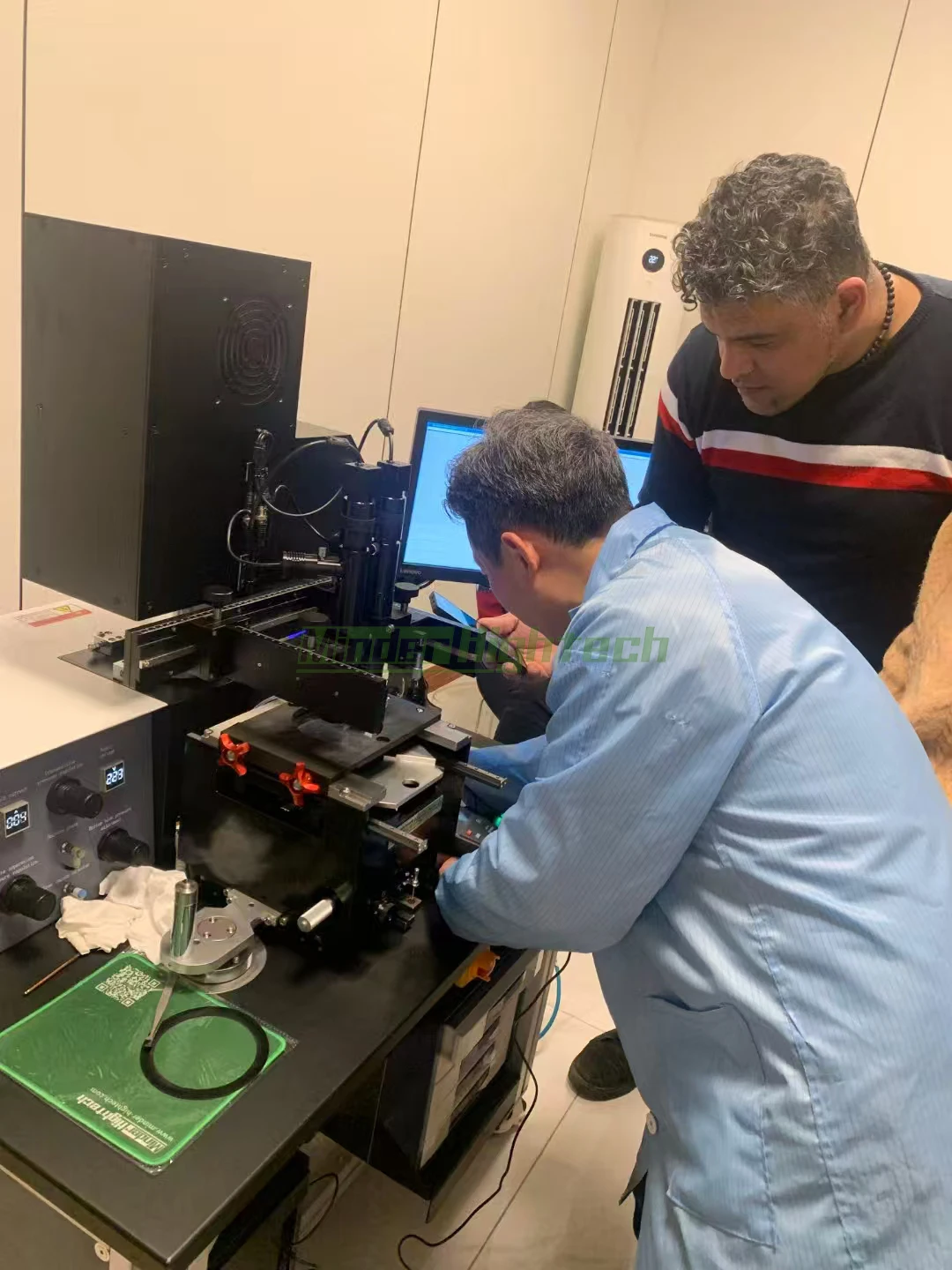
Mask aligner is used for fabrication of micro and other precise components. They make patterns on materials, often very small and intricate. There are several different methods in which the masks can be brought into contact during this process including proximity, soft contact (soft stamp), hard contact (hard stamp) and vacuum contact modes. All of these approaches have their own advantages and problems. Knowing how they work and how they can be employed together is crucial for companies like Minder-Hightech, a provider of high performance manufacturing solutions.
What Are The Benefits Of Different Types Of Mask Aligner Exposure Modes For Bulk Buyers?
There are different exposure modes in mask aligners that have their own advantages that wholesale purchasers may want to weigh. For example, I find proximity mode to be very fast. When employing this technique, the mask is in close proximity to but does not contact the wafer. That means you’re able to move faster, which is important when manufacturing many products. It is also less likely to damage the mask, since there’s no physical touch involved. Soft contact mode on the other hand can have higher resolution. And when the mask barely kisses the wafer, it is possible to produce even finer features in the patterns. This is a great benefit for customers who are looking for high quality patterns to use in their own production. Hard contact mode is the same, but involves a harder press between mask and wafer. It might even create sharper contours, but it could be putting stress on the mask that makes it wear out faster. The vacuum contact mode employs suction to keep the mask on the wafer, allowing easier alignment and lowering possibility of errors while exposing. All of those methods can offer something for different desires and needs, offering buyers choices to suit what they prefer.
What are Some Common Use Problems with Soft Contact Mode and Hard Contact Methods?
Soft and hard contact modes bring some advantages as well as problems. In the case of soft contact mode, one of the main issues is that there may be a risk that particles are inserted between mask and wafer. Even small dust particles can result in pattern defects and expensive errors. The mask can also result in uneven exposure, if it’s not completely flat, which might taint the final quality. Hard contact mode yields fine features, however it might damage the mask or wafer not if properly controlled. The amount of pressure required to make a hard connection is often more than enough to produce unsightly scratches or marks. Furthermore, even if the mask is displaced slightly during exposure, the alignment can be deviated from one direction or another and will become a problem. It can lead to waste of materials and time, and therefore increased cost. It is important for the companies that employ these strategies to be aware of these issues; this will prevent difficulties on down the road. Then, they will be able to make better buying decisions and leverage these technologies more effectively in their business.
What Can Vacuum Contact Mode do to Enhance Accuracy at Mask Alignment?
Vacuum contact mode is a unique system for positioning masks in the production of minuscule electronic components. In between, a vacuum draws the mask and surface towards one another. This results in an exact fit that serves to keep the mask in a very precise position. The term for that perfect fit, when the assemblage of the mask is exact, is a coincidence between the patterns and features printed on the mask to those on the surface beneath. This is especially crucial given the tiniest of mistakes can mean trouble with how the end result actually works. If the mask isn’t started in exactly the right position, the small circuits or patterns might not line up properly and would cause the electronic part to fail. When vacuum contact mode is used, pressures from the vacuum assist in everything staying in place. This eliminates the possibility of any movement, which can occur with other systems. Additionally, this Minder-Hightech technology is employed in high-end products. “So long as they are aligned very, very well, one achieves things at the same level as these high quality” items. That means vacuum contact mode is gaining ground in the industry, because it can also empower manufacturers to make better products. The latter technique may be somewhat more complicated in terms of equipment, but the precision is worth it. All in all, vacuum contact mode is an excellent choice when precision matters.
Which Mode Performs Better And Is Less Expensive -Proximate Vs. Soft Contact?
There are some pros and cons for both proximity mode and contact mode to align the masks. In proximity mode, the mask is near but not touching the surface. A small space can be left with this technique to minimize any damaging of the mask and wafer. But since the mask does not make contact, it can't always line up exactly like that. This can cause some errors, especially for tiny patterns. On the contrary, for soft contact mode, the mask touches surface in much softer way. This can make better alignment a simpler process since the mask is more firmly kept in place. But it may lead to the damage of mask or surface when they collide. Cost Proximity mode is often the lower cost of the two since it has simpler hardware requirements. Soft contact mode could require more sophisticated technology to ensure that the pressure is just so, potentially raising costs. Minder-Hightech has access to both types of techniques and can recommend what is best based on the specific needs of each client. Proximity mode If your company is doing a more substantial pattern and trying to save some cash, proximity mode could be the right one. But should they require great accuracy for very small patterns, soft contact mode might be appropriate despite the extra cost. Each of these methods has its merits, one or the other being usually employed based on what overall result the manufacturer is looking for.
Where is the Best Use of Hard Contact Mask Alignment in Industry?
The other technique that is known in making small electronic devices is the hard contact mask alignment. The mask, in the hard contact mode, is pushed in direct contact with the surface. This solution is very effective in certain industry applications. Among the most pleasant aspects of it are the fact that very crisp and clear patterns are produced. It puts the specifics of the pattern more accurately when the mask presses near, and is thus pressed solidly on the surface. This method is particularly applicable in making components that are highly precise like the chips in the computers or smart phones. The Hard Contact Mask Alignment is frequently practiced by the manufacturers of such devices as it gives a very good result. However, how hard contact mode is likely to create problems. Unless the mask or the surface is in an absolutely clean state, it can introduce defects affecting the quality of the final product. With this way, it is, therefore, needed to ensure that everything is clean. Minder-Hightech is familiar with the level of cleanliness and accuracy required with hard contact alignment. In fact, they work hard in order to ensure that they meet the standards, which are required by the industry. Hard contact laboratory use mask aligner is also applicable in the production of the optical device, where transparency is of the importance. Overall, it is applicable to applications that need to be very high-quality and with a high degree of precision cut, this is the reason why this approach is favored by many manufacturers.
Table of Contents
- What Are The Benefits Of Different Types Of Mask Aligner Exposure Modes For Bulk Buyers?
- What are Some Common Use Problems with Soft Contact Mode and Hard Contact Methods?
- What Can Vacuum Contact Mode do to Enhance Accuracy at Mask Alignment?
- Which Mode Performs Better And Is Less Expensive -Proximate Vs. Soft Contact?
- Where is the Best Use of Hard Contact Mask Alignment in Industry?