EN
EN
 AR
AR
 BG
BG
 CS
CS
 DA
DA
 NL
NL
 FI
FI
 FR
FR
 DE
DE
 EL
EL
 IT
IT
 KO
KO
 NO
NO
 PL
PL
 PT
PT
 RO
RO
 RU
RU
 ES
ES
 SV
SV
 TL
TL
 IW
IW
 ID
ID
 LT
LT
 SR
SR
 SL
SL
 UK
UK
 VI
VI
 ET
ET
 HU
HU
 TH
TH
 TR
TR
 FA
FA
 AF
AF
 MS
MS
 GA
GA
 IS
IS
 HY
HY
 AZ
AZ
 KA
KA

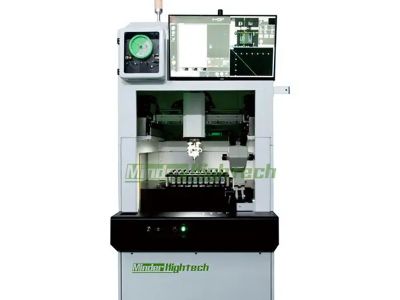
Understanding how die bonding and wire bonding processes are carried out for System-in-Package (SiP) is crucial for professionals in the semiconductor and electronics sectors. These processes significantly affect the performance, reliability, and cost of electronic devices. Buyers often seek clarity on the specifications, techniques, and potential challenges associated with these bonding methods. This article aims to provide comprehensive insights into die bonding and Wire bonder for SiP applications, addressing key specifications, cost factors, common problems, and solutions.
How Die Bonding and Wire Bonding Enhance SiP Performance?
Die bonding and wire bonding are integral to the assembly of System-in-Package (SiP) solutions. Die bonding involves attaching a semiconductor die to a substrate, ensuring electrical and thermal conductivity. This process enhances the overall performance of SiPs by providing a stable base for the semiconductors, which is crucial for heat dissipation and signal integrity.
Wire bonding, on the other hand, connects the die to external circuitry using fine wire. This method creates reliable electrical connections that are essential for the functionality of the SiP. Properly executed bonding processes can reduce signal loss, improve electrical performance, and enhance the thermal management of the device. As such, selecting high-quality die bonders and wire bonders is vital for manufacturers aiming to deliver high-performance SiP products.
Key Specifications for Die Bonding and Wire Bonding in SiP
When evaluating die bonding and wire bonding solutions for SiP applications, several key specifications should be considered:
Bonding Material: The choice of adhesive or solder used in die bonding is critical. Common materials include epoxy or silver-filled adhesive, each selected based on thermal and electrical conductivity requirements.
Bonding Method: Different methods such as epoxy die attach, eutectic bonding, or soldering can be used depending on the application. Buyers should consider factors such as thermal cycling stability and long-term reliability when selecting a bonding method.
Wire Diameter and Material: For wire bonding, the diameter and material of the wire are essential. Gold, aluminum, and copper wires are common, and their selection can impact the overall performance and cost of the SiP. For instance, aluminum wires may be preferred for their cost-effectiveness, whereas gold wires offer superior conductivity.
Bonding Force and Temperature: The parameters of bonding force and temperature during the wire bonder process significantly influence the quality of the bond. Insufficient force or incorrect temperature can lead to failed connections or compromised reliability.
Die Size and Thickness: The dimensions of the semiconductor die can dictate the bonding techniques used, as different sizes may require specific handling or bonding equipment.
By confirming these specifications, buyers can ensure that their SiP assemblies meet both performance standards and application requirements.
Comparing Die Bonding and Wire Bonding Techniques for SiP
Die bonding and wire bonding serve distinct yet complementary roles in SiP assembly.
Die Bonding Techniques: This process primarily focuses on attaching the die to the substrate. Techniques such as flip-chip bonding or traditional die attach are employed based on the application. Flip-chip bonding, for instance, allows for smaller footprints and better electrical performance, making it ideal for compact designs.
Wire Bonding Techniques: Wire bonding can utilize either ball bonding or wedge bonding techniques. Ball bonding involves forming a small ball at the end of the wire, which is then bonded to the die. Wedge bonding, on the other hand, uses a flat tool to make a bond. The choice between these techniques often depends on the material used, application requirements, and equipment capabilities.
Both bonding processes require precise control and quality assurance measures to ensure that the final SiP product is reliable and meets industry standards. A thorough understanding of these techniques allows manufacturers to optimize their production processes and enhance product quality.
Cost Factors to Consider for Die Bonding and Wire Bonding Solutions
Cost considerations play a significant role in the selection of die bonding and wire bonding solutions for SiP applications. Here are key factors that can influence pricing:
Material Costs: The choice of materials used in die and wire bonding directly affects costs. High-performance materials may provide better electrical and thermal properties but can lead to increased overall expenses.
Equipment Investment: The initial investment in die bonders and wire bonders can be substantial. High-precision equipment may offer better performance and yield but at a higher cost.
Labor and Operational Costs: Skilled labor is required for effective bonding processes, and operational costs can vary based on the complexity of the assembly. Automation might reduce labor costs but can require significant upfront investment.
Volume of Production: Higher production volumes can lead to economies of scale, reducing the unit cost of Wire bonding machine processes. Buyers should assess their production forecasts to determine the most cost-effective approach.
Testing and Quality Assurance: Implementing robust quality control measures, including testing of bonds, adds to the cost but is essential for ensuring reliability. This investment can prevent costly failures in the field.
Understanding these cost factors helps buyers make informed decisions that align with their budget and quality requirements while ensuring the performance of their SiP products.
Common Problems in Die Bonding and Wire Bonding and Their Solutions
Die bonding and wire bonding processes can encounter several common issues that may affect product quality and reliability. Here are some frequent problems and their potential solutions:
Insufficient Adhesion: Poor adhesion during die bonding can lead to device failure. To address this, manufacturers should ensure proper surface preparation and select appropriate bonding materials that match the thermal and mechanical requirements of the application.
Wire Bond Failures: Wire bonding failures, such as broken wires or poor connections, can arise from incorrect bonding parameters. Regular calibration of bonding machines and thorough training for operators can mitigate these issues.
Thermal Management Issues: Inadequate thermal management can lead to overheating and device failure. Implementing effective heat dissipation strategies during the design phase can prevent such problems.
Contamination: Contaminants on bonding surfaces can compromise bond integrity. Strict cleanliness protocols and environmental controls should be established to minimize contamination risks.
Equipment Malfunction: Aging or poorly maintained bonding equipment can lead to inconsistent results. Regular maintenance and timely upgrades of equipment can ensure optimal performance and reduce downtime.
By proactively addressing these common issues, manufacturers can enhance the reliability of their SiP products and improve overall yield rates.
In summary, understanding the die bonding and wire bonding processes is vital for optimizing System-in-Package solutions. By considering the specifications, techniques, cost factors, and potential challenges associated with these processes, B2B buyers can make informed decisions that lead to improved product quality and performance.
Table of Contents
- How Die Bonding and Wire Bonding Enhance SiP Performance?
- Key Specifications for Die Bonding and Wire Bonding in SiP
- Comparing Die Bonding and Wire Bonding Techniques for SiP
- Cost Factors to Consider for Die Bonding and Wire Bonding Solutions
- Common Problems in Die Bonding and Wire Bonding and Their Solutions