EN
EN
 AR
AR
 BG
BG
 CS
CS
 DA
DA
 NL
NL
 FI
FI
 FR
FR
 DE
DE
 EL
EL
 IT
IT
 KO
KO
 NO
NO
 PL
PL
 PT
PT
 RO
RO
 RU
RU
 ES
ES
 SV
SV
 TL
TL
 IW
IW
 ID
ID
 LT
LT
 SR
SR
 SL
SL
 UK
UK
 VI
VI
 ET
ET
 HU
HU
 TH
TH
 TR
TR
 FA
FA
 AF
AF
 MS
MS
 GA
GA
 IS
IS
 HY
HY
 AZ
AZ
 KA
KA

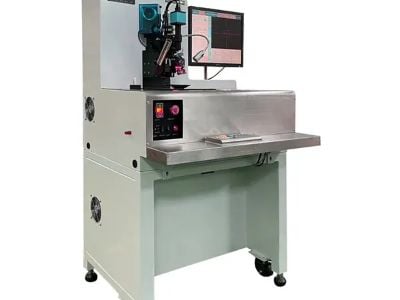
In the semiconductor and electronics manufacturing industry, understanding the process requirements for equipment, including die bonders, plasma cleaning systems, wire/ribbon bonders, pull testers, and laser sealing systems, is crucial for achieving optimal efficiency and product quality. This article addresses key specifications, quality evaluation, cost considerations, installation guidance, and application insights, helping B2B buyers navigate their purchasing decisions with confidence.
Key Specifications for Plasma Cleaning Systems in Industrial Applications
When selecting a plasma cleaning system, several key specifications must be considered to ensure optimal performance in industrial applications. The type of plasma used whether it is low-pressure or atmospheric affects cleaning efficacy and process speed. Low-pressure plasma systems are often used for delicate components, while atmospheric systems are preferred for high-throughput environments.
Another critical specification is the gas composition used in the plasma generation. Common gases include oxygen, argon, and nitrogen, each offering distinct cleaning properties. For instance, oxygen plasma effectively removes organic contaminants, while argon is suitable for surface modification without altering the material.
Additionally, the system’s power output and frequency are paramount. Higher power levels generally lead to increased cleaning rates but may also impact material integrity. Buyers should assess the power requirements based on the specific materials being cleaned to avoid damaging sensitive components.
Lastly, equipment compatibility with existing manufacturing processes should be evaluated. Ensuring that the plasma cleaning system integrates seamlessly with other equipment, such as die bonders or Wire bonder, can enhance overall process efficiency.
Evaluating the Quality and Reliability of Pull Testers
Pull testers are essential for ensuring the reliability of bonds in semiconductor applications. When evaluating these devices, key quality indicators include measurement accuracy, maximum load capacity, and the tester's ability to operate across various materials.
Measurement accuracy is vital, as inaccurate readings can lead to defective components. Buyers should seek testers with precise calibration standards and traceability to recognized measurement standards. Additionally, the maximum load capacity must align with the specific bonding applications; exceeding this limit can result in equipment failure and compromised testing results.
Reliability is also contingent on the design and build quality of the pull tester. Robust construction materials, such as high-grade steel, can enhance durability and reduce maintenance needs. A reliable pull tester should also feature user-friendly software for data logging and analysis, allowing for efficient monitoring of bonding processes.
Before finalizing a purchase, it’s beneficial to request product demonstrations or samples to evaluate the pull tester's performance under real-world conditions. This hands-on experience can reveal potential operational issues and confirm that the device meets quality expectations.
Cost Factors to Consider When Sourcing Laser Sealing Systems
Understanding the cost factors associated with laser sealing systems is essential for budget-conscious buyers. The initial purchase price is just one aspect; total cost of ownership must also be assessed. This includes maintenance costs, energy consumption, and the expected lifespan of the equipment.
Energy efficiency plays a significant role in overall operational costs. Systems that consume less power while maintaining performance standards can lead to substantial savings over time. Therefore, buyers should inquire about the energy ratings and operational efficiencies of various models.
Another consideration is the availability of replacement parts and service support. Systems with readily available components are typically more cost-effective in the long run, as they minimize downtime during repairs. Additionally, suppliers offering robust service agreements can provide peace of mind, ensuring that any issues are addressed promptly.
Customization options can also impact pricing. Tailoring a laser sealing system to specific production needs may incur additional costs, but it can ultimately enhance productivity and quality. Buyers should weigh the benefits of customization against their budget constraints to make informed decisions.
Installation Guidance for Plasma Cleaning Systems and Equipment
Proper installation of plasma cleaning systems is critical to their performance and longevity. First, buyers should ensure that the installation site meets the equipment's environmental requirements, such as ventilation and electrical specifications. Inadequate conditions can lead to operational inefficiencies or equipment failure.
It's advisable to engage a qualified technician for installation. Professionals can ensure that all components are correctly calibrated and that the system is integrated seamlessly with existing production lines. This minimizes startup issues and ensures that the system operates according to its specifications.
Moreover, buyers should request comprehensive documentation and training from the supplier. Detailed installation manuals and training sessions can help operators understand the intricacies of the system, leading to more effective use and maintenance. A well-trained team can significantly reduce operational disruptions and enhance overall productivity.
Finally, after installation, it’s essential to conduct thorough testing to confirm that the plasma cleaning system meets the expected performance standards. This step can help identify any potential issues early on, allowing for timely adjustments.
Applications of Wire Bonders in Semiconductor Manufacturing Processes
Wire bonders are integral to semiconductor manufacturing, facilitating the electrical connection between chips and substrates. Their applications vary widely, from microelectronics to automotive and telecommunications. Understanding the specific requirements for each application is vital for selecting the right wire bonder.
In microelectronics, for example, precision is paramount. Wire bonders used in this sector must handle extremely fine wires while maintaining strict tolerances. Features such as ultrasonic bonding capability and programmable parameters are critical for achieving reliable connections in these applications.
Conversely, automotive applications may prioritize speed and durability. Chip Wire Bonder designed for this sector often feature high-speed capabilities and robust construction to withstand harsher environments. Buyers should consider the volume of production and the specific environmental conditions when choosing a wire Die bonder.
Furthermore, customization options can enhance the versatility of wire bonders. Adapting the machine for different wire sizes or bond types can provide manufacturers with greater flexibility in their operations. Buyers should consult with suppliers to explore potential modifications that can improve production efficiency and adaptability.
Understanding the process requirements for equipment, including die bonders, plasma cleaning systems, wire/ribbon bonders, pull testers, and laser sealing systems, is essential for B2B buyers in the semiconductor and electronics manufacturing sectors. By considering specifications, quality factors, cost implications, installation guidance, and application suitability, purchasing managers can make informed decisions that enhance productivity and product quality.
Table of Contents
- Key Specifications for Plasma Cleaning Systems in Industrial Applications
- Evaluating the Quality and Reliability of Pull Testers
- Cost Factors to Consider When Sourcing Laser Sealing Systems
- Installation Guidance for Plasma Cleaning Systems and Equipment
- Applications of Wire Bonders in Semiconductor Manufacturing Processes