EN
EN
 AR
AR
 BG
BG
 CS
CS
 DA
DA
 NL
NL
 FI
FI
 FR
FR
 DE
DE
 EL
EL
 IT
IT
 KO
KO
 NO
NO
 PL
PL
 PT
PT
 RO
RO
 RU
RU
 ES
ES
 SV
SV
 TL
TL
 IW
IW
 ID
ID
 LT
LT
 SR
SR
 SL
SL
 UK
UK
 VI
VI
 ET
ET
 HU
HU
 TH
TH
 TR
TR
 FA
FA
 AF
AF
 MS
MS
 GA
GA
 IS
IS
 HY
HY
 AZ
AZ
 KA
KA

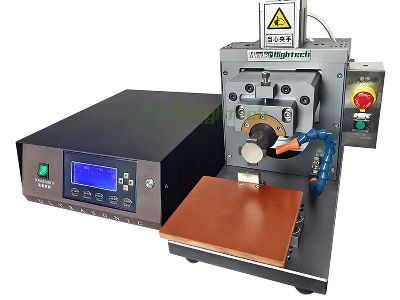
The TR Module (QTRM) manufacturing process is crucial in the semiconductor and electronic equipment industries, where precision and efficiency are paramount. Understanding the manufacturing process and equipment requirements for TR Modules can help buyers, such as purchasing managers and engineers, make informed decisions. This article will cover key considerations when selecting TR Module equipment, evaluating quality, best practices for installation, sourcing reliable suppliers, and handling bulk orders.
What to Consider When Choosing TR Module (QTRM) Equipment?
Selecting the right equipment for TR Module (QTRM) manufacturing involves evaluating several factors. Buyers should start by considering the specifications required for their specific applications. Key specifications include dimensions, material compatibility, and performance requirements. For instance, if the application demands a high level of precision, buyers should look for equipment that offers fine-tuning capabilities and consistent accuracy.
Another critical factor is the manufacturing process compatibility. Understanding whether the Ultrasonic Wire Bonding can support various processes such as die bonding or wire bonding is essential. Additionally, the equipment’s automation level can significantly impact production efficiency. Fully automated systems may reduce labor costs and improve consistency, while semi-automated systems might be more flexible for smaller batch sizes. Lastly, buyers should check the scalability of the equipment. As demand fluctuates, having machinery that can adapt to increased production needs without significant retooling can save time and money.
How to Evaluate Quality in TR Module (QTRM) Production Equipment?
Evaluating the quality of TR Module (QTRM) production equipment is essential for ensuring high performance and durability. Start by examining the manufacturer’s certifications and quality control processes. Certifications such as ISO 9001 indicate a commitment to quality management and continuous improvement. Next, assess the materials used in the equipment construction. High-quality materials such as stainless steel or aerospace-grade aluminum often indicate better durability and resistance to wear, which is crucial for maintaining precision in production. Another aspect to consider is the manufacturer’s testing protocols. Plasma surface treatment machine that undergoes rigorous testing before reaching the market, such as stress tests and performance evaluations, is likely to perform better in real-world conditions. Buyers should also request case studies or references from previous clients to gain insights into the equipment's performance and reliability in similar applications.
Best Practices for Installing TR Module (QTRM) Systems Effectively
Proper installation of TR Module (QTRM) systems is vital to maximize operational efficiency and minimize downtime. First, ensure that the installation site meets all structural and environmental requirements as specified by the manufacturer. This includes adequate space, power supply, and cooling systems.
During installation, it is best to follow a step-by-step guide provided by the manufacturer. This guide may include specific instructions for aligning equipment, connecting power sources, and calibrating settings. Buyers should also consider involving qualified technicians who have experience with similar installations to avoid common pitfalls. Post-installation, conducting a thorough testing phase is essential. This phase should include running trial production runs to ensure that all systems are functioning correctly and achieving the desired output. Regular maintenance schedules should also be established to keep the equipment in optimal condition, as this can significantly extend its lifespan and performance.
Where to Source Reliable Suppliers for TR Module (QTRM) Solutions?
Sourcing reliable suppliers for TR Module (QTRM) solutions involves thorough research and evaluation. Start by identifying manufacturers who specialize in semiconductor and electronic equipment, like Minder-Hightech, known for its comprehensive range of products, including die bonder and wire bonder.
Buyers should also utilize industry networks and trade shows to discover potential suppliers. Engaging with peers can provide valuable insights into supplier reliability and performance. Additionally, online platforms and directories specific to the manufacturing sector can serve as resources for locating reputable suppliers. When evaluating suppliers, consider their track record in the industry, customer reviews, and the scope of their product offerings. Requesting samples or visiting their facilities can also provide practical insights into their manufacturing capabilities and quality control processes.
TR Module (QTRM) Equipment for Bulk Orders
When considering bulk orders for TR Module (QTRM) equipment, buyers should discuss pricing structures and MOQ (Minimum Order Quantity) with suppliers. Many manufacturers offer discounts on bulk orders, which can significantly reduce overall costs. However, it’s essential to confirm that the quality of the equipment remains consistent across larger quantities. Customizations may also be a consideration for bulk orders. Buyers should communicate specific requirements early in the negotiation process to ensure that the supplier can accommodate them. This may include modifications in dimensions, additional features, or specialized packaging. Finally, it's crucial to discuss lead times and delivery schedules upfront. Understanding the timeline for production and shipment can help manage expectations and ensure that Microelectronics cleaning arrives when needed, preventing delays in production. By focusing on these key aspects buyers can make informed decisions regarding the TR Module (QTRM) manufacturing process and equipment requirements, ultimately enhancing their operational efficiency and product quality.
Table of Contents
- What to Consider When Choosing TR Module (QTRM) Equipment?
- How to Evaluate Quality in TR Module (QTRM) Production Equipment?
- Best Practices for Installing TR Module (QTRM) Systems Effectively
- Where to Source Reliable Suppliers for TR Module (QTRM) Solutions?
- TR Module (QTRM) Equipment for Bulk Orders