EN
EN
 AR
AR
 BG
BG
 CS
CS
 DA
DA
 NL
NL
 FI
FI
 FR
FR
 DE
DE
 EL
EL
 IT
IT
 KO
KO
 NO
NO
 PL
PL
 PT
PT
 RO
RO
 RU
RU
 ES
ES
 SV
SV
 TL
TL
 IW
IW
 ID
ID
 LT
LT
 SR
SR
 SL
SL
 UK
UK
 VI
VI
 ET
ET
 HU
HU
 TH
TH
 TR
TR
 FA
FA
 AF
AF
 MS
MS
 GA
GA
 IS
IS
 HY
HY
 AZ
AZ
 KA
KA

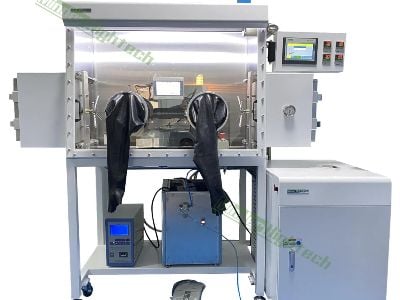
Understanding how hermetic seam sealing works is crucial for manufacturers and suppliers in the semiconductor and electronics sectors. Hermetic sealing is essential for protecting sensitive components from environmental factors such as moisture and contaminants, which can severely affect product reliability and performance. This article will delve into the intricacies of hermetic seam sealing, addressing key buyer concerns including product quality, cost factors, and supplier sourcing. By the end, readers will gain valuable insights to make informed decisions regarding hermetic sealing solutions.
How Hermetic Seam Sealing Enhances Product Quality and Reliability?
Hermetic seam sealing is a process that creates airtight seals for electronic components, ensuring protection against moisture, gases, and other contaminants. This sealing method is vital in applications where environmental exposure can compromise performance, such as in semiconductor devices, medical equipment, and aerospace components. The quality of hermetic seals directly impacts the longevity and reliability of products. A well-executed hermetic seal can prevent oxidation and corrosion, which can lead to failures in electronic circuits. It is essential for buyers to consider the Seam Sealing System material, as it influences the barrier properties against moisture and gas permeation. Common materials used for hermetic sealing include glass, metals, and specialized polymers. Each material offers different levels of protection and should be selected based on the specific application requirements. Additionally, stringent quality control processes during manufacturing are crucial to ensure that seals meet the necessary specifications. Buyers should inquire about a supplier's quality assurance practices, including testing methods for seal integrity and environmental resistance.
Understanding the Cost Factors of Hermetic Seam Sealing Solutions
When evaluating hermetic seam sealing solutions, understanding the cost factors is essential for making informed purchasing decisions. The total cost can vary significantly based on several factors, including material selection, manufacturing processes, and customization requirements.
Material Costs: The choice of sealing materials plays a significant role in pricing. High-performance materials that provide superior barrier properties may come at a premium. Buyers should assess the trade-off between cost and the required level of protection.
Production Volume: Larger production volumes can lead to cost savings due to economies of scale. Buyers should consider their minimum order quantities (MOQ) and how that impacts unit pricing.
Customization: Custom hermetic sealing solutions tailored to specific applications can increase costs. Buyers should clearly define their requirements to ensure that suppliers provide accurate quotations.
Testing and Certification: The need for third-party testing and certifications can add to overall costs. Buyers should verify which standards are necessary for their industry and ensure that suppliers can meet these requirements.
In summary, a comprehensive understanding of these cost factors will allow buyers to evaluate quotes effectively and select the most suitable Sealing machine solutions for their needs.
Where to Source Reliable Suppliers for Hermetic Seam Sealing Equipment?
Finding reliable suppliers for hermetic seam sealing equipment involves considering several factors, including reputation, expertise, and production capabilities. Here are some strategies for sourcing trustworthy suppliers:
Industry Research: Conduct thorough research on potential suppliers by reviewing industry publications, attending trade shows, and participating in relevant forums. This helps buyers identify manufacturers known for quality and innovation in hermetic sealing.
Supplier Evaluations: Consider suppliers' experience in hermetic sealing applications relevant to your industry. Evaluate their production capabilities, quality control processes, and previous customer feedback.
Certifications and Compliance: Ensure that potential suppliers hold relevant certifications, such as ISO 9001, which demonstrate their commitment to quality management systems. Suppliers should also comply with industry-specific regulations related to hermetic sealing.
Request Samples: Before committing to a supplier, request samples of their hermetic seals. Testing these samples under real-world conditions can provide insights into their performance and reliability.
By following these steps, buyers can establish a shortlist of reliable suppliers capable of meeting their hermetic sealing needs.
Installation Guidance for Optimal Hermetic Seam Sealing Performance
Correct installation of hermetic seam sealing is crucial for achieving optimal performance. Here are key considerations for ensuring successful installation:
Surface Preparation: Proper surface preparation is essential for achieving a strong bond. Surfaces should be cleaned and free of contaminants such as dust, oil, or moisture before applying the seal.
Temperature Control: Many hermetic sealing processes require specific temperature ranges for optimal adhesion. Buyers should ensure that installation environments maintain these temperatures, particularly during curing or setting.
Alignment and Pressure: Proper alignment of components is critical, as misalignment can lead to seal failures. Additionally, applying the correct amount of pressure during the sealing process is essential to ensure complete contact and adhesion.
Testing Post-Installation: Once installed, hermetic seals should be tested for integrity. Methods such as leak testing or pressure testing can help verify that seals are functioning as intended.
By following these installation guidelines, buyers can significantly enhance the reliability and performance of Hermetic Seam Sealing in their products.
Applications of Hermetic Seam Sealing in Semiconductor Manufacturing
Hermetic seam sealing plays a pivotal role in semiconductor manufacturing, where protecting sensitive components from environmental factors is paramount. Key applications include:
Integrated Circuits (ICs): Hermetic sealing protects ICs from moisture and contaminants, ensuring long-term reliability and performance. This is critical in applications ranging from consumer electronics to automotive systems.
Microelectromechanical Systems (MEMS): MEMS devices require hermetic packaging to shield delicate components from air and moisture that can affect their functionality.
Optoelectronics: Devices such as laser diodes and photodetectors rely on hermetic sealing to maintain performance in varying environmental conditions, making it essential for applications in telecommunications and medical devices.
Power Electronics: Hermetic seals are vital in power electronics to prevent degradation from environmental exposure, ensuring that devices operate efficiently over their intended lifespan.
Understanding these applications helps buyers appreciate the critical nature of hermetic sealing in the semiconductor industry and the importance of choosing the right sealing solutions for their specific needs.
Table of Contents
- How Hermetic Seam Sealing Enhances Product Quality and Reliability?
- Understanding the Cost Factors of Hermetic Seam Sealing Solutions
- Where to Source Reliable Suppliers for Hermetic Seam Sealing Equipment?
- Installation Guidance for Optimal Hermetic Seam Sealing Performance
- Applications of Hermetic Seam Sealing in Semiconductor Manufacturing