EN
EN
 AR
AR
 BG
BG
 CS
CS
 DA
DA
 NL
NL
 FI
FI
 FR
FR
 DE
DE
 EL
EL
 IT
IT
 KO
KO
 NO
NO
 PL
PL
 PT
PT
 RO
RO
 RU
RU
 ES
ES
 SV
SV
 TL
TL
 IW
IW
 ID
ID
 LT
LT
 SR
SR
 SL
SL
 UK
UK
 VI
VI
 ET
ET
 HU
HU
 TH
TH
 TR
TR
 FA
FA
 AF
AF
 MS
MS
 GA
GA
 IS
IS
 HY
HY
 AZ
AZ
 KA
KA

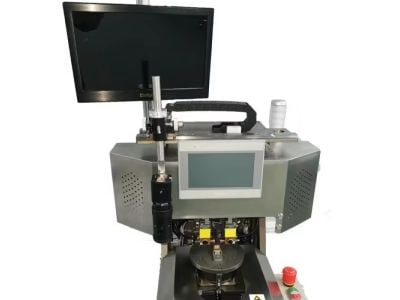
Hermetic seam sealing is a critical technique in the semiconductor and electronics industries, ensuring that products are protected from environmental factors such as moisture and contaminants. For B2B buyers, understanding the various methods and applications of hermetic seam sealing is essential for making informed purchasing decisions. This article will help you navigate the different sealing methods, installation considerations, and applications relevant to semiconductor manufacturing.
Comparing Hermetic Seam Sealing Methods for Quality Assurance
Hermetic seam sealing methods can significantly impact the durability and reliability of electronic components. The primary techniques include laser welding, ultrasonic sealing, and adhesive bonding. Each method has its advantages and limitations.
Laser Welding: This method uses focused laser beams to create a strong bond by melting the materials together at the seam. It is particularly effective for high-precision applications and can be used on various materials. However, it requires careful control of parameters such as laser power and speed to avoid overheating or under heating, which can compromise the seal's integrity.
Ultrasonic Sealing: This technique employs high-frequency vibrations to generate heat at the seam, causing the materials to bond. Ultrasonic sealing is known for its speed and efficiency, making it ideal for high-volume production. It is also versatile across different material types. However, it may not be suitable for thicker materials, where the penetration of ultrasonic energy is insufficient.
Adhesive Bonding: This method employs specialized sealants to create a barrier at the seam. It offers flexibility in terms of material compatibility and is often used where thermal or mechanical stress is a concern. The challenge lies in ensuring proper curing times and conditions, which can vary widely among different adhesives.
When selecting a Hermetic Seam Sealing method, consider factors such as production volume, material types, and the specific environmental conditions the final product will face.
Installation Guidance for Hermetic Seam Sealing in Electronics
Proper installation is crucial to achieving effective hermetic sealing. Before installation, ensure that all surfaces to be sealed are clean and free from contaminants. Surface preparation may involve techniques such as sanding, cleaning with solvents, or applying primers, depending on the materials used.
Equipment Calibration: Before sealing, it is essential to calibrate the sealing equipment according to the specific materials and thicknesses involved. Incorrect settings can lead to poor seal quality or even damage to the components.
Sample Testing: Conducting sample tests before full production can help identify potential issues in the sealing process. Testing should include assessing the seal's integrity through methods such as pressure testing or moisture ingress tests. This step ensures that any adjustments can be made before committing to large-scale production.
Documentation and Quality Control: Maintaining proper documentation throughout the installation process is vital for quality assurance. This includes recording parameters used during Sealing machine, inspection results, and any deviations from standard procedures. Implementing a robust quality control process helps to catch errors early and ensures that the final product meets industry standards.
Applications of Hermetic Seam Sealing in Semiconductor Manufacturing
Hermetic seam sealing plays a vital role in semiconductor manufacturing, particularly for components that must withstand harsh environments. Applications include
Integrated Circuits (ICs): ICs require protection from moisture and contaminants, which can lead to failure. Hermetically sealed packages ensure long-term reliability and performance.
Sensors: Many sensors used in automotive and industrial applications need hermetic sealing to function correctly. Exposure to moisture can degrade sensor accuracy and lifespan.
Optoelectronic Devices: Devices such as lasers and photodetectors require hermetic sealing to protect sensitive components from environmental factors.
Power Electronics: Sealing methods are critical in power modules, where high temperatures and humidity can affect performance. Hermetic seals help maintain operational integrity.
In each of these applications, the choice of sealing method can depend on the specific materials and operational conditions. Collaborating with a knowledgeable supplier can help refine the sealing process to enhance product reliability.
Evaluating the Quality of Hermetic Seam Sealing Products
Quality evaluation of hermetic seam sealing products should be thorough and systematic. Begin by reviewing the manufacturer’s specifications, focusing on parameters such as sealing strength, thermal resistance, and moisture permeability.
Testing Methods: Several testing methods can assess the quality of hermetic seals. Common approaches include:
Leak Testing: This involves subjecting the sealed product to a pressure differential to detect leaks. Techniques such as helium leak testing provide high sensitivity.
Moisture Ingress Testing: This test assesses the ability of seals to prevent moisture ingress under specified conditions, which is critical for applications in humid environments.
Thermal Cycling Tests: Evaluating how well seals perform under varying temperatures can identify weaknesses that might lead to failure over time.
Supplier Assessment: When evaluating potential suppliers, consider their manufacturing capabilities, quality control processes, and any certifications they hold. A reputable supplier will have a robust quality assurance system in place, ensuring consistency and reliability in their hermetic sealing products.
Bulk Order Options for Hermetic Seam Sealing Equipment and Supplies
For businesses looking to procure hermetic seam sealing equipment and supplies, understanding bulk order options is essential for cost management. Here are some factors to consider:
Minimum Order Quantities (MOQ): Different suppliers may have varying MOQs based on the type of equipment or materials. It's essential to clarify these details during negotiations to avoid unexpected costs.
Customization Capabilities: If your application requires specific sealing materials or dimensions, inquire about customization options. Many manufacturers can tailor their products to meet unique specifications, which can be critical for specialized applications.
Pricing Factors: Bulk orders often come with discounts, but the final pricing can depend on several elements, including material costs, shipping fees, and production time. Ensure you discuss these factors upfront to understand the total cost.
Lead Times: Bulk orders may have longer lead times, especially if custom manufacturing is required. Confirm expected delivery dates and any potential delays during the ordering process to plan your production schedule effectively.
By understanding these aspects, buyers can make informed decisions and streamline their procurement processes for wire bonding seam sealing solutions.
Table of Contents
- Comparing Hermetic Seam Sealing Methods for Quality Assurance
- Installation Guidance for Hermetic Seam Sealing in Electronics
- Applications of Hermetic Seam Sealing in Semiconductor Manufacturing
- Evaluating the Quality of Hermetic Seam Sealing Products
- Bulk Order Options for Hermetic Seam Sealing Equipment and Supplies