EN
EN
 AR
AR
 BG
BG
 CS
CS
 DA
DA
 NL
NL
 FI
FI
 FR
FR
 DE
DE
 EL
EL
 IT
IT
 KO
KO
 NO
NO
 PL
PL
 PT
PT
 RO
RO
 RU
RU
 ES
ES
 SV
SV
 TL
TL
 IW
IW
 ID
ID
 LT
LT
 SR
SR
 SL
SL
 UK
UK
 VI
VI
 ET
ET
 HU
HU
 TH
TH
 TR
TR
 FA
FA
 AF
AF
 MS
MS
 GA
GA
 IS
IS
 HY
HY
 AZ
AZ
 KA
KA

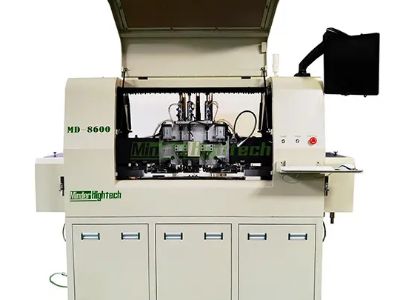
When making stuff in factories, knowing the right space between the substrate and the mask are very important. The substrate is that base material which gets treated, and the mask shapes or protects some areas. This space can vary depending on what you making. At Minder-Hightech, we know this distance need to be just right for good results. Too close, and things might not go well. Too far, and quality can drop. Finding this good spot is key for makers who want their products perfect.
What is Max Distance Between Substrate and Mask for Best Performance?
The ideal space between substrate and mask isn't always same. It depend on several things. First, the kind of material you use play a big role. Some materials need the mask very close, while others work fine with more room. For instance, with thin films, keeping mask near the substrate usually best. This help get sharp edges and clear designs, important for the end product. But for thicker stuff, you got more flexibility. You can have a little more gap without losing much quality. The max distance also depends on your equipment. Some machines handle bigger gaps, others do better with tight spaces. Adjusting this space affect how light or materials hit the substrate. In things like photolithography, light must reach substrate right to make patterns. If university research Mask Aligner too far, light spread out, making patterns fuzzy. At Minder-Hightech, we watch these details closely. We test products to find best spaces for different materials and methods. So, clients get top results every time.
What Common Issues with Substrate and Mask Spaces in Wholesale Making?
Lots of problems come from wrong space between substrate and mask. One usual issue is bad quality in the final product. For example, if space too big, patterns get fuzzy or not precise. This big trouble for makers needing accurate products. Another risk is defects. If Mask Aligner and substrate far apart, dust or particles can interfere. This cause scratches or marks on substrate. Such defects waste materials and time, costly in bulk production. Sometimes, the machine struggle if distance wrong. Machines not set up right may not hold steady space, leading to uneven results. This delay production and miss deadlines. At Minder-Hightech, we get these challenges. That's why we focus on training and help for clients. We assist setting up processes to cut down issues. By watching the space between substrate and mask, we ensure smoother making and better products. Understanding this is key to success in factories.
How to Measure Ideal Substrate and Mask Space for Better Outcomes?
When working with substrate and mask, right space between them is very important. Substrate is the surface for designs, mask helps create patterns on it. To find best space, use some simple tools. First, get a ruler or caliper, which measure small distances accurate. Start by placing substrate on flat surface. Then, put mask above it carefully. Make sure both stable and not moving. Now, measure the gap with ruler. This gap usually 0.5 to 1 millimeter for many jobs. But it can change based on your goal. If gap too large, designs might not clear. If too small, mask touch substrate and spoil design. Also check materials of both. Some expand or contract with temperature or humidity, so watch that. Always double check measurements for accuracy. With this, you get better results in designs. At Minder-Hightech, we say take time to line everything up right for best outcome.
What Best Practices for Proper Substrate and Mask Spacing?
For good results with substrate and mask, follow some best ways. First, clean both substrate and mask before start. Dust or dirt affect how mask works. Use soft cloth or cleaner to wipe. Once clean, ensure they flat. If bumps or curves, it cause problems. Use level tool to check evenness. Another good practice is spacers. Spacers are small bits to put between, keeping steady space. This keep gap same everywhere. Also, test setup with samples first before main design. So you see how space affect outcome and adjust. If designs not right, change space a bit to help. Remember document your process. Notes on spaces used and results help future jobs. At Minder-Hightech, we think these practices lead to better results and success in projects.
How to Fix Common Problems with Substrate and Mask Space?
Sometimes, problems happen with space between substrate and mask. One usual is blurry designs. This often mean space not right. If gap too large, mask not hold material tight, it spread. Try reducing space then. On other hand, if mask too close, it touch and smudge. If smudging, increase space slightly. Another issue uneven patterns. This happen if mask shifts. To stop, secure everything before start. Tape or weights keep mask cleaner steady. If still trouble, check materials. Some substrates not match certain masks, leading bad results. If not compatible, switch ones. Lastly, if unsure on space, ask help. Talking to experienced person give useful tips. At Minder-Hightech, we know troubleshooting hard, but right way fix problems and get great results.
Table of Contents
- What is Max Distance Between Substrate and Mask for Best Performance?
- What Common Issues with Substrate and Mask Spaces in Wholesale Making?
- How to Measure Ideal Substrate and Mask Space for Better Outcomes?
- What Best Practices for Proper Substrate and Mask Spacing?
- How to Fix Common Problems with Substrate and Mask Space?