EN
EN
 AR
AR
 BG
BG
 CS
CS
 DA
DA
 NL
NL
 FI
FI
 FR
FR
 DE
DE
 EL
EL
 IT
IT
 KO
KO
 NO
NO
 PL
PL
 PT
PT
 RO
RO
 RU
RU
 ES
ES
 SV
SV
 TL
TL
 IW
IW
 ID
ID
 LT
LT
 SR
SR
 SL
SL
 UK
UK
 VI
VI
 ET
ET
 HU
HU
 TH
TH
 TR
TR
 FA
FA
 AF
AF
 MS
MS
 GA
GA
 IS
IS
 HY
HY
 AZ
AZ
 KA
KA

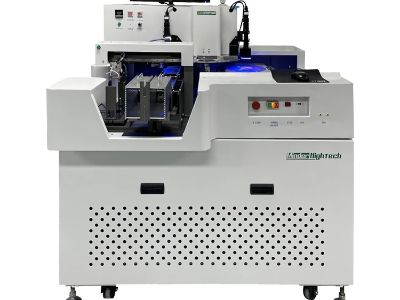
Thermo compression bonding (TC bonding) is a critical joining technique employed in the semiconductor and electronics industry. It allows for the precise and efficient connection of various components, such as die to substrate, using heat and pressure. Understanding the advantages of TC bonding is essential for B2B buyers, including purchasing managers and engineers, who seek to optimize manufacturing processes while ensuring high product quality. This article will explain the benefits of thermo compression bonding, compare it with other techniques and discuss its applications and cost factors, helping you make informed purchasing decisions.
What Are the Key Advantages of Thermo compression Bonding in Manufacturing?
Thermo compression bonding offers several key advantages in manufacturing that make it a preferred choice for many applications. One of the primary benefits is its ability to provide strong, reliable connections between materials, which is crucial in the semiconductor industry where component integrity is paramount. The process utilizes elevated temperatures and controlled pressure, allowing for a robust molecular bond to form between the components being joined. Another significant advantage is the reduced risk of contamination. Since TC bonding generally requires fewer materials and processes than other joining techniques, there is a lower chance of introducing foreign substances during assembly. This quality is particularly important in environments where cleanliness and precision are critical, such as cleanrooms used in semiconductor fabrication. Moreover, Battery pack welding machine can be performed with a variety of materials, including metals, ceramics, and certain polymers. This versatility enables manufacturers to use TC bonding in a wide range of applications, from microelectronics to advanced packaging solutions, enhancing overall production efficiency.
How Thermocompression Bonding Ensures Superior Product Quality?
The superior quality of products achieved through thermo compression bonding can be attributed to several factors. First, the controlled temperature and pressure conditions ensure that the bond is uniform and consistent across the entire interface. This minimizes the likelihood of weak spots that could lead to failure in critical components. Additionally, TC bonding allows for better thermal and electrical conductivity compared to traditional adhesive methods. Strong molecular bonds formed during the process facilitate efficient heat dissipation, which is vital in electronic applications. This improved conductivity contributes to the overall reliability and longevity of the final product. Furthermore, the precision of the Die bonding machine process reduces the need for additional machining or surface treatments post-assembly. This streamlining not only cuts down on production time but also lowers the risk of defects that can arise from secondary operations.
Comparing Thermocompression Bonding to Other Joining Techniques
When evaluating joining techniques, it is essential to consider how thermo compression bonding stacks up against alternatives such as soldering and adhesive bonding. While soldering is widely used in electronics, it can introduce thermal stress and may not provide the same level of bond integrity as TC bonding, especially in applications requiring high reliability. Adhesive bonding, on the other hand, is more susceptible to environmental factors like moisture and temperature fluctuations, which can weaken the bond over time. In contrast, the heat and pressure application in TC bonding creates a bond that is less affected by external conditions, enhancing the durability of the assembly. Moreover, TC bonding typically requires less complex equipment and setup than soldering, leading to lower capital costs for manufacturers. This efficiency combined with the higher quality of the resulting bonds makes thermo compression bonding a compelling choice for many applications.
Thermocompression Bonding Applications in the Semiconductor Industry
Thermo compression bonding is particularly suited for applications within the semiconductor industry. It is commonly used for die attach processes, where semiconductor chips are bonded to their substrates. This technique ensures a reliable connection, which is crucial for the performance and durability of electronic devices. Additionally, TC bonding is employed in advanced packaging technologies, including flip-chip and 3D packaging. These applications demand high precision and reliability, both of which are enhanced through the use of thermo compression bonding. Moreover, as the industry continues to push towards miniaturization, TC bonding provides the necessary capabilities to join smaller components without compromising performance. This adaptability is essential as manufacturers develop increasingly complex and compact electronic devices.
Cost Factors to Consider for Thermocompression Bonding Solutions
While thermo compression bonding offers numerous advantages, there are several cost factors that buyers should consider when evaluating this joining technique. First, the capital investment for the necessary equipment can be significant, depending on the scale of production and the specific machinery required. Understanding the total cost of ownership, including maintenance and operational costs, is crucial for making a sound investment. Additionally, the cost of raw materials such as the substrates and dies being bonded can influence the overall expense. Buyers should evaluate material compatibility and availability to ensure that they are making cost-effective choices. Finally, lead times associated with thermo compression bonding can vary based on production capacity and the complexity of the assembly. Buyers should communicate their specific requirements and timelines when requesting quotes to ensure that they receive accurate pricing and delivery estimates tailored to their needs. In summary, Insertion machine stands out as a highly effective joining technique in the semiconductor and electronics industries due to its strength, reliability and versatility. By understanding its advantages, applications, and associated costs, B2B buyers can make informed decisions that enhance their manufacturing processes and product quality.
Table of Contents
- What Are the Key Advantages of Thermo compression Bonding in Manufacturing?
- How Thermocompression Bonding Ensures Superior Product Quality?
- Comparing Thermocompression Bonding to Other Joining Techniques
- Thermocompression Bonding Applications in the Semiconductor Industry
- Cost Factors to Consider for Thermocompression Bonding Solutions