EN
EN
 AR
AR
 BG
BG
 CS
CS
 DA
DA
 NL
NL
 FI
FI
 FR
FR
 DE
DE
 EL
EL
 IT
IT
 KO
KO
 NO
NO
 PL
PL
 PT
PT
 RO
RO
 RU
RU
 ES
ES
 SV
SV
 TL
TL
 IW
IW
 ID
ID
 LT
LT
 SR
SR
 SL
SL
 UK
UK
 VI
VI
 ET
ET
 HU
HU
 TH
TH
 TR
TR
 FA
FA
 AF
AF
 MS
MS
 GA
GA
 IS
IS
 HY
HY
 AZ
AZ
 KA
KA

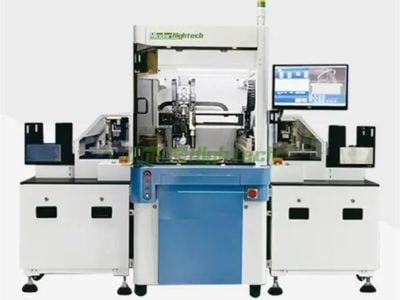
Understanding the differences between epoxy/adhesive die bonding, UV die bonding, and thermocompression bonding (TC bonding) is crucial for manufacturers and engineers in the semiconductor and electronics sectors. These Die bonding machine each have unique properties, applications, and performance characteristics that impact efficiency and product quality. This article will clarify the distinctions among these methods, helping B2B buyers make informed purchasing decisions based on material selection, cost factors, installation guidance, and common issues encountered in die bonding processes.
What Are the Key Material Differences in Die Bonding Techniques?
The materials used in die bonding techniques significantly influence their effectiveness and suitability for various applications.
Epoxy/Adhesive Die Bonding typically utilizes epoxy resins that cure at room temperature or through heat. This method is favored for its excellent adhesion properties, chemical resistance, and ability to withstand thermal cycling. However, the thermal conductivity of the epoxy material is generally lower than that of other bonding methods, which might limit its use in high-performance applications where heat dissipation is critical.
UV Die Bonding employs ultraviolet light to cure specific adhesives. The quick curing time is a substantial advantage, allowing for faster production cycles. UV adhesives often exhibit good mechanical strength and can be designed to provide enhanced thermal conductivity. However, they may be sensitive to moisture and environmental conditions, requiring careful handling and storage.
Thermocompression Bonding (TC Bonding) involves applying heat and pressure to bond materials, typically using metal or thermo-compliant die attach materials. This technique is advantageous for its exceptional thermal conductivity, making it ideal for high-performance applications. TC bonding is often used in applications requiring high reliability, such as in advanced semiconductor packaging, but requires precise control over temperature and pressure to avoid damaging the die.
Choosing the right material for die bonding involves assessing the specific needs of the application, including thermal performance, environmental resistance, and processing capabilities.
How to Choose Between Epoxy, UV, and Thermocompression Bonding?
When selecting a die bonding method, several factors should be considered:
Application Requirements: Assess the thermal and mechanical requirements of your application. For instance, if high thermal conductivity is essential, TC die bonding machine might be the best choice. Conversely, for general-purpose applications, epoxy may suffice.
Curing Time: If production speed is a priority, UV bonding offers rapid curing times that can enhance throughput. Epoxy bonding may not match this speed, while TC bonding can be slower due to the need for precise thermal management.
Environmental Conditions: Consider the environmental exposure of the final product. If the bonded assembly will face moisture or chemical exposure, selecting an adhesive with suitable resistance properties is critical. Epoxy tends to offer good chemical resistance, but UV adhesives may not perform well under harsh conditions.
Cost Considerations: Evaluate the cost implications of each bonding method, including material costs, equipment requirements, and overall process efficiency. While TC die bonding may offer superior performance, the initial investment in equipment and operational costs can be higher.
Customization Needs: If your assembly requires specific dimensions or properties, discuss with your supplier the customization capabilities for each bonding method. This ensures that the selected technique aligns with your production requirements.
By carefully analyzing these factors, B2B buyers can make informed choices that balance performance, cost, and production efficiency.
Comparing Cost Factors in Epoxy, UV, and TC Bonding Solutions
Cost is a critical factor when selecting a die bonding method. Here’s a breakdown of the cost considerations associated with each technique:
Epoxy/Adhesive Die Bonding: Generally, the material costs for epoxy adhesives are moderate. However, additional costs can arise from longer curing times, which may extend production schedules. Equipment for application can vary widely in cost, depending on the precision required.
UV Die Bonding: The adhesive materials for UV bonding can be competitively priced, especially considering the potential for faster processing times due to quick curing. However, the equipment needed to provide UV light for curing can represent a significant upfront investment. Additionally, if UV-sensitive materials are not stored properly, they may lead to increased waste.
Thermocompression Bonding (TC Bonding): While TC bonding can provide excellent performance, the initial costs for equipment and specialized materials can be high. The operational costs may also be elevated due to the precise temperature and pressure control required during bonding. However, the long-term benefits in performance and reliability can justify these costs for critical applications.
In summary, while evaluating the cost of each die bonding method, it’s essential to consider both the initial investment and the potential long-term benefits related to efficiency and reliability.
Installation Guidance for Epoxy, UV, and Thermocompression Bonding
Successful installation of die bonding techniques requires adherence to specific guidelines to ensure optimal performance:
Epoxy/Adhesive Die Bonding: Before application, ensure that both surfaces are clean and free from contaminants. Follow the manufacturer's instructions regarding mixing and curing times. It is also advisable to conduct a sample test to confirm adhesion strength before mass production.
UV Die Bonding: Ensure the adhesive is applied in a controlled environment to prevent premature curing. Use appropriate UV exposure settings based on the adhesive specifications to achieve optimal curing. After bonding, inspect for any uncured adhesive, as it may affect performance.
Thermocompression Bonding (TC Bonding): Precise control over temperature and pressure is vital. Ensure that your equipment is calibrated correctly before starting the bonding process. Conduct a thorough inspection of the die and substrate surfaces to avoid defects during bonding.
In all methods, thorough testing of the initial samples is critical to identify any potential issues before moving to full-scale production.
Common Problems in Die Bonding and Effective Solutions to Address Them
Die bonding processes can present various challenges. Here are some common problems and solutions:
Poor Adhesion: This issue can arise from inadequate surface preparation or incorrect adhesive selection. To mitigate this, ensure surfaces are cleaned thoroughly, and perform adhesion tests on samples before full production.
Curing Issues: Insufficient curing can lead to weak bonds, particularly in UV bonding. Monitor curing times and conditions closely, and regularly calibrate curing equipment to maintain consistency.
Thermal Stress: In TC bonding, improper temperature profiles can introduce thermal stress that may damage the die. Utilize thermal profiling tools to ensure accurate temperature distribution during the bonding process.
Contamination: Dust or moisture can adversely affect bonding. Implement a cleanroom environment or use protective measures to reduce contamination risks during the bonding process.
By proactively addressing these common issues, manufacturers can enhance the reliability and performance of their die bonding applications.
Understanding the differences between epoxy/adhesive die bonding, UV die bonding, and thermocompression bonding is essential for making informed decisions in semiconductor and electronic manufacturing. Each method has its unique advantages and challenges, and careful consideration of application requirements, cost factors, and installation processes will help ensure successful outcomes.
Table of Contents
- What Are the Key Material Differences in Die Bonding Techniques?
- How to Choose Between Epoxy, UV, and Thermocompression Bonding?
- Comparing Cost Factors in Epoxy, UV, and TC Bonding Solutions
- Installation Guidance for Epoxy, UV, and Thermocompression Bonding
- Common Problems in Die Bonding and Effective Solutions to Address Them