EN
EN
 AR
AR
 BG
BG
 CS
CS
 DA
DA
 NL
NL
 FI
FI
 FR
FR
 DE
DE
 EL
EL
 IT
IT
 KO
KO
 NO
NO
 PL
PL
 PT
PT
 RO
RO
 RU
RU
 ES
ES
 SV
SV
 TL
TL
 IW
IW
 ID
ID
 LT
LT
 SR
SR
 SL
SL
 UK
UK
 VI
VI
 ET
ET
 HU
HU
 TH
TH
 TR
TR
 FA
FA
 AF
AF
 MS
MS
 GA
GA
 IS
IS
 HY
HY
 AZ
AZ
 KA
KA

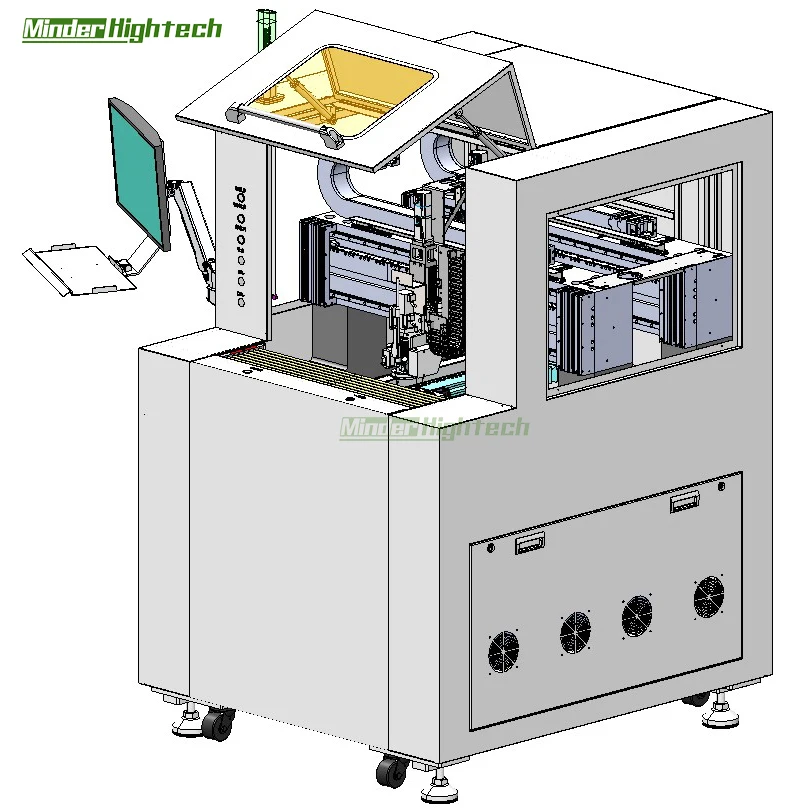
Laser welding is a cutting-edge technology that plays a vital role in manufacturing high-precision, high-reliability components for the defense industry. This method is particularly valued for its ability to provide strong, clean welds with minimal thermal distortion, which is crucial in applications where precision and reliability are paramount. As purchasing managers and engineers in the defense sector evaluate potential suppliers, understanding how laser welding meets these critical requirements can significantly influence their purchasing decisions. This article will explore the precision of laser welding machine in defense manufacturing, key specifications for high-reliability applications, a comparison of welding techniques, installation guidelines for laser systems, and common challenges along with effective solutions.
How Laser Welding Ensures Precision in Defense Component Manufacturing?
Laser welding utilizes highly focused laser beams to melt and fuse materials, allowing for remarkable precision that is essential when dealing with intricate defense components. The ability to control the laser's intensity and focus enables manufacturers to achieve tight tolerances and minimize the impact of heat on surrounding materials. This is particularly important in defense applications where even minor deviations can lead to significant failures.
For instance, components such as circuit boards and electronic enclosures require precise welds to ensure that they function correctly under various environmental conditions. Any misalignment or excessive heat could compromise the integrity of the component, affecting its performance during critical operations. Therefore, adopting laser welding not only enhances the quality of the components but also assures buyers of their reliability and operational readiness in challenging scenarios.
Key Specifications for High-Reliability Laser Welding Applications
When considering laser welding for defense applications, several key specifications must be evaluated to ensure optimal performance:
Weld Depth and Width: The depth-to-width ratio is critical for the strength and durability of the weld. A deeper weld may be necessary for thicker materials, while a narrower weld minimizes distortion.
Material Compatibility: Different materials, such as aluminum, titanium, and various alloys, behave differently under laser welding. Understanding the material's properties helps in selecting the appropriate welding parameters.
Laser Type and Wavelength: The choice of laser—be it Nd:YAG, fiber, or CO2—affects the absorption rate of the material being welded. This can influence the quality and characteristics of the weld.
Welding Speed: The speed of the welding process can impact the heat-affected zone (HAZ). A faster welding speed can reduce HAZ, which is essential for maintaining material integrity.
Cooling Methods: Effective cooling techniques post-weld can further enhance the mechanical properties of the welded joint, ensuring it meets the defense industry's rigorous standards.
Buyers should confirm these specifications during the procurement process to ensure that the welding approach aligns with their operational requirements.
Comparing Laser Welding Techniques for Quality and Cost Efficiency
While laser welding is a leading choice for high-precision applications, various techniques exist, each with its advantages and cost implications. The two primary methods are conduction and keyhole welding.
Conduction Welding: Best suited for thin materials, this method allows for lower energy input, resulting in less thermal distortion and a smoother surface finish. However, it may not provide the same penetration depth as keyhole welding.
Keyhole Welding: This technique involves creating a "keyhole" in the material through which the laser beam penetrates. It is capable of welding thicker materials and produces strong joints. However, it requires careful control of parameters to avoid excessive heat input, which can lead to warping or defects.
In comparing these techniques, buyers should consider not only the initial costs but also the laser welding equipment long-term benefits, such as durability and the potential for reduced rework in the manufacturing process.
Installation Guidelines for High-Precision Laser Welding Systems
When integrating laser welding systems into a manufacturing environment, several installation guidelines should be followed to ensure optimal performance:
Environment Control: The installation area should be free from dust and drafts, which can interfere with the laser beam's focus and lead to inconsistent welds.
Equipment Calibration: Regular calibration of the laser system is essential for maintaining precision. This includes checking the alignment of optics and ensuring that the laser power settings are appropriate for the materials being welded.
Safety Measures: Adequate safety measures, including protective eyewear and shielding, must be in place to protect operators from laser exposure and fumes generated during the welding process.
Integration with Existing Systems: The laser welding system should be compatible with other manufacturing equipment. Proper integration can enhance workflow efficiency and reduce the risk of operational disruptions.
Training for Operators: Ensuring that operators are well-trained in both the technical aspects of laser welding and safety protocols can significantly reduce the risk of errors and enhance product quality.
By adhering to these guidelines, manufacturers can enhance the reliability and efficiency of their laser welding processes.
Common Challenges in Laser Welding and Effective Solutions
Despite its advantages, laser welding can present several challenges that buyers should be aware of:
Material Variability: Variations in material composition can affect the welding process. Conducting thorough material inspections and using standardized material grades can mitigate this issue.
Weld Defects: Issues such as porosity, undercutting, and cracking can occur if the welding parameters are not correctly set. Regular monitoring and adjustments based on real-time feedback can help address these defects.
Cost of Equipment: The initial investment in laser welding technology can be substantial. However, buyers should consider the long-term savings associated with reduced rework and improved production efficiency.
Maintenance: Regular maintenance of laser systems is crucial to sustain performance. Establishing a routine maintenance schedule and training staff on basic troubleshooting can prevent downtime.
Heat Management: Ensuring proper heat management is vital to prevent warping and distortion. Utilizing advanced cooling methods and optimizing welding speeds can alleviate these concerns.
By recognizing these challenges and implementing effective solutions, buyers can enhance the reliability of their laser welder applications, ensuring that components meet the exacting standards of the defense industry.
In summary, laser welding stands out as a reliable method for manufacturing high-precision components critical to the defense sector. By understanding its specifications, comparing techniques, following installation guidelines, and addressing common challenges, purchasing managers and engineers can make informed decisions that align with their operational needs.
Table of Contents
- How Laser Welding Ensures Precision in Defense Component Manufacturing?
- Key Specifications for High-Reliability Laser Welding Applications
- Comparing Laser Welding Techniques for Quality and Cost Efficiency
- Installation Guidelines for High-Precision Laser Welding Systems
- Common Challenges in Laser Welding and Effective Solutions