EN
 AR
 BG
 CS
 DA
 NL
 FI
 FR
 DE
 EL
 IT
 KO
 NO
 PL
 PT
 RO
 RU
 ES
 SV
 TL
 IW
 ID
 LT
 SR
 SL
 UK
 VI
 ET
 HU
 TH
 TR
 FA
 AF
 MS
 GA
 IS
 HY
 AZ
 KA

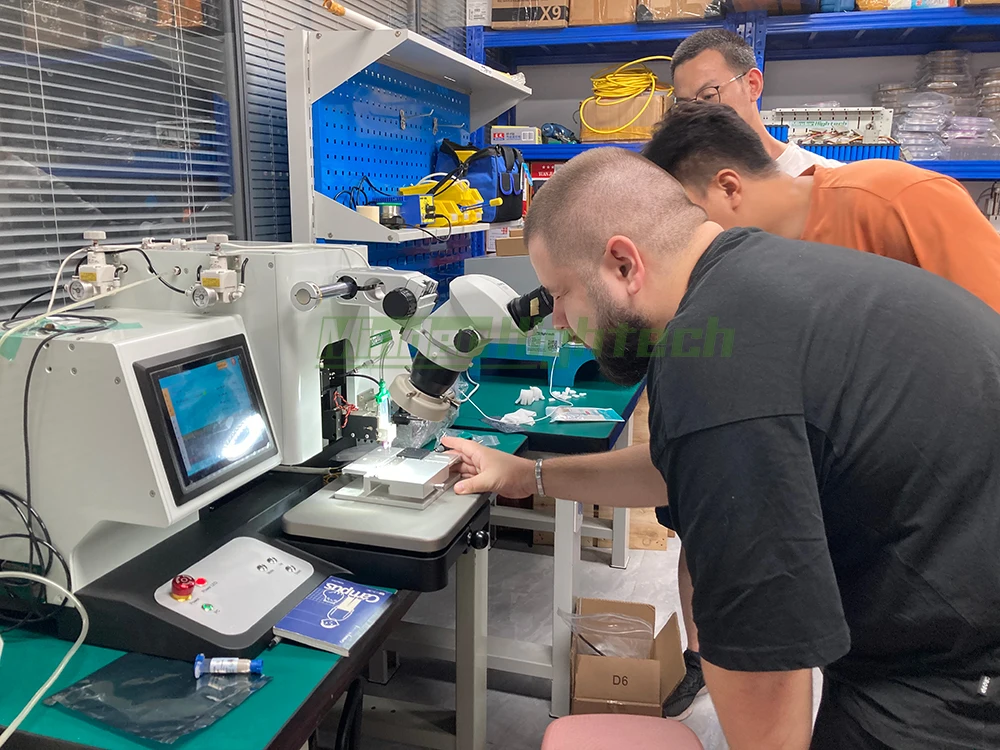
Understanding the differences between System in Package (SiP) and traditional packaging is crucial for B2B buyers in the semiconductor and electronics sectors. Buyers often seek clarity on technology, cost-effectiveness, and application suitability when selecting a packaging method. This article delves into the distinctions between SiP and traditional packaging, highlighting key considerations for purchasing managers, engineers, and product managers, ensuring you make informed decisions tailored to your specific manufacturing needs.
How to Choose Between SiP and Traditional Packaging for Your Needs
When deciding between advanced packaging equipment and traditional packaging, consider the specific requirements of your application. SiP integrates multiple components into a single package, offering a compact solution ideal for space-constrained environments. This approach is particularly advantageous in consumer electronics, where size and weight are critical.
In contrast, traditional packaging often involves discrete components housed separately, which may be preferable for applications that prioritize modularity or easier upgrades. Additionally, assess compatibility with existing manufacturing processes. SiP may require specialized equipment and expertise, while traditional packaging might align better with established workflows.
Ultimately, the choice depends on factors such as performance requirements, space constraints, and production capabilities. Consulting with a knowledgeable supplier can provide insights into which option suits your needs best.
Which Is More Cost-Effective?
Cost-effectiveness can vary significantly between SiP and traditional packaging, influenced by factors such as production volume, material costs, and assembly processes. SiP might have higher initial costs due to the complexity of design and manufacturing, but it can reduce overall production costs by minimizing the footprint and component count, which lowers assembly and testing expenses.
Traditional packaging may be more economical in low-volume production runs due to simpler manufacturing processes and lower material costs. However, as production volumes increase, the cost benefits of seam sealing system can become more pronounced, especially given its ability to facilitate faster assembly and reduce the number of required components.
When evaluating cost-effectiveness, consider not just the upfront costs but also long-term implications like reliability, maintenance, and potential rework. Engaging with a supplier can help clarify these financial implications based on your specific production scenarios.
What to Know
Understanding the technical specifications and limitations of both SiP and traditional packaging is essential. SiP typically offers advantages in terms of thermal performance and electrical efficiency due to its compact design and integrated components. However, the thermal management capabilities of SiP can be limited by its small size, necessitating careful consideration of heat dissipation methods.
Traditional packaging, while potentially bulkier, allows for easier thermal management options through larger heatsink and improved airflow. Additionally, consider the materials used in both types of packaging. SiP often utilizes advanced materials to enhance performance, while traditional packaging might rely on more conventional materials that are widely available.
It’s also crucial to evaluate lead times and customization options. Advanced semiconductor packaging may require longer lead times due to the complexity of manufacturing, while traditional packaging can often be produced more quickly, particularly if standard components are used.
Applications of SiP vs. Traditional Packaging in Manufacturing Processes
SiP is increasingly favored in sectors such as mobile computing, IoT devices, and wearable, where space and weight are significant constraints. Its integration of multiple functionalities such as RF, analog, and digital components into a single package can enhance overall device performance and streamline assembly.
Conversely, traditional packaging remains relevant in sectors requiring modularity, such as industrial applications and automotive electronics. These industries often benefit from the flexibility to replace or upgrade individual components without redesigning the entire system.
When assessing applications, consider the end-use environment. For instance, devices subjected to high thermal stress may require traditional packaging solutions for better thermal management, while consumer electronics may benefit from the compact nature of SiP.
Understanding the Material Advantages of SiP Over Traditional Packaging
The material selection is a critical aspect when comparing SiP and traditional packaging. Chip packaging equipment often employs advanced materials such as low-k dielectrics and high-performance substrates that enhance electrical performance and reduce signal loss. This is particularly important in high-frequency applications where signal integrity is paramount.
In contrast, traditional packaging might use standard materials that, while adequate for many applications, may not provide the same level of performance optimization. However, traditional materials can offer advantages in terms of thermal stability and resistance to environmental factors, which are essential in harsh operating conditions.
Additionally, customization capabilities differ. SiP allows for tailored solutions to meet specific performance criteria, while traditional packaging might be limited to existing material specifications and configurations. This capability can be a decisive factor for buyers looking for specialized solutions.
When selecting materials, it's essential to consider the intended application, environmental conditions, and the specific performance requirements of the end product. Working closely with suppliers can help ensure that the chosen packaging solution aligns with these factors.
In summary, understanding the differences between SiP and traditional packaging is vital for making informed decisions in the semiconductor and electronics industries. By considering factors such as application requirements, cost-effectiveness, and material advantages, purchasing managers and engineers can choose the most appropriate packaging solution to meet their needs.