EN
EN
 AR
AR
 BG
BG
 CS
CS
 DA
DA
 NL
NL
 FI
FI
 FR
FR
 DE
DE
 EL
EL
 IT
IT
 KO
KO
 NO
NO
 PL
PL
 PT
PT
 RO
RO
 RU
RU
 ES
ES
 SV
SV
 TL
TL
 IW
IW
 ID
ID
 LT
LT
 SR
SR
 SL
SL
 UK
UK
 VI
VI
 ET
ET
 HU
HU
 TH
TH
 TR
TR
 FA
FA
 AF
AF
 MS
MS
 GA
GA
 IS
IS
 HY
HY
 AZ
AZ
 KA
KA

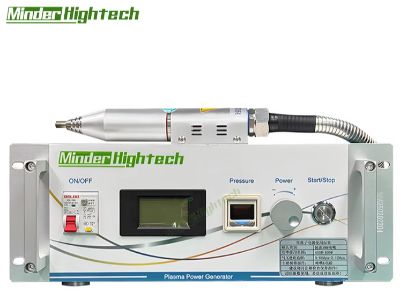
A die bonder is a specialized machine used to place tiny pieces together when making things like optical communication radar devices. These devices are critical because they enable the sending and receiving of signals — vital for communication in areas ranging from weather forecasting to navigation. The quality of the Die bonder can really make a difference in how well these devices work. That is why it pays to choose the right one. At Minder-Hightech, we specialize in offering top-notch die bonders with a particular application for these high-tech radar systems.
What You Need to Know?
Several things needs to be keep in mind while selecting die bonder for optical communication radar devices. First, consider the machine’s accuracy. These gadgets require very precise positioning of small parts. If the pieces are not positioned properly, the radar device may not function properly. The die bonder must have state-of-the-art technology for proper placement. Verify Advanced Packaging die bonder speed as well, just sayin. It should run fast enough to satisfy production and not so fast that it sacrifices quality.
Then, think about what the die bonder can process. Some machines perform better with some materials than others, so be sure that it is capable of accepting the material you need to use for your radar devices. The ease is ludicrouly easy aswell. The machine should be easy to use; your workers should be able to run it with a minimal amount of training. Good manufacturer support is also important. If something does go wrong, you want to be able to get help faster.
You should also consider the die bonder itself. Since space is often at a premium in a factory, you want a machine that fits nicely into your workspace. And don’t overlook the price; it’s important to strike the right balance between quality and price. Occasionally, paying more can save you in the long run if a machine lasts longer or performs better. In Minder-Hightech we supply the machines that satisfy all of these demands so your production cycle of optical communication radar devices will run very smooth and efficiently.
Where to Get High- Precision Die Bonder for Optical Radar Device Manufacture?
It may be difficult to find a high-quality die bonder that will form optical radar and other devices, but there are good sources available. One such example are specialized industrial equipment suppliers. Such suppliers will generally have a range of machines dedicated to high-tech applications such as radar equipment. You can also search for trade shows or industry events. Many firms have their latest technology on display, and it’s a great opportunity to see ASM die bonder machines in operation.
The Internet is yet another good tool. Many of these industrial machine websites have ratings and reviews provided by other customers. This is also a feedback that can help to get an impression about the performance of a die bonder in real world. When you have a few possibilities, it’s a good idea to ask for demonstrations. The act of watching the machine work can be helpful in informing your decision.
And don’t overlook the manufacturer’s reputation. You certainly want a reputable company like Minder-Hightech whose name is synonymous for building BONDERS you can count on. Contact them to learn more about their products and how they can meet your needs for optical communication radar devices. Also, speak with other companies in the industry. They may have suggestions from experience. By following these moves you will surely find the perfect die bonder that enables to build high-quality radar devices for your needs.
Usual Problems with Die Bonding in Optic Communication Components
Die bonding is the crucial step in the fabrication of an optical communication device. These are the devices that let us send information over long distances using light, such as in fiber optics. However, there are a number of typical problems that can occur in the die attach process. One issue is poor adhesion. That’s because the tiny pieces, or dies, sit poorly on whatever they are put on. If the dies aren’t bonded correctly, the device won’t function as desired. The perfect heat level is another issue. When you bond dies, it is important to get them hot enough. Too much heat will damage the dies; too little and they won’t stick well. This may result in poor connections and device failures.
Minder-Hightech is aware of these hurdles and strives both to confront them. We also know that failure can result simply from the wrong materials. For instance, if the adhesive used is not compatible with optical devices it will degrade signal quality. What this means is that the device could be losing information on transmission. Dust and dirt are also problems. The dies may not bond correctly if your surface is dirty. And that's why cleanliness is really the key for die bonding. There is also the whole bead alignment thing. The dies must be set in the precise location. If they are a little bit off, it can affect how well the device performs. All these problems demonstrate how critical it is to be careful in the die bonding operation.
Enhancing Your Product Quality with the Optimum Die Bonding Process
It is a crucial factor that the die bonding techniques must be optimized to fabricate high quality optical communication devices. We have at Minder-Hightech made some buttons to solve this though, and we think there are a few steps you could take to facilitate the process. The right materials Make the correct choice First things first; you need to lay a good foundation. The quality of adhesive used in these cases, such as the one specifically designed for optical devices, can make a huge difference. This helps to assure good bonding of the dies and compatibility with the heat and stress encountered in operation.
Now, temperature control is super important here. Optimize the bonding temperature of the dies. This can be accomplished through rigorous testing and vigilance. Machines that have fine control over the heat will help you get ideal results. As a further step, it is also desirable to have a clean environment. Its important to maintain a dust free work area. Even simple steps like employing air filters or cleaning wipes can ensure that nothing gets in the way of a healthy bonding process.
Last, but not least, it's important to check that you have aligned the dies. Properly aligning the dies by means of special machinery will result in a significant improvement. So can frequent training of workers in these methods. If everyone knows how to do die bonding properly, the quality on the devices will get better. In conclusion, when these aspects are addressed companies such as Minder-Hightech will develop improved optical communication devices that can perform with the required reliability and efficiency.
Die Bond Impact on Optical Communication Device Performance
Die bonding plays an important role in the effectiveness of optical communication devices. If the bonding is done right, the process makes strong connections that allow light to flow through while preserving information. What that means is data can be communicated at speed and with precision. Poorly done die bonding in which a chip is mounted to the package, panel or board substrate — may lead to signal losses or delays, for example. This can cause the device to become unreliable and can be annoying for users who rely on this apparatus as a means of communication.
At Minder-Hightech we understand that the die bonding process is key for the performance of optical devices. A continuous bond insures that the parts act as one. This is particularly crucial in high-speed communications, where a marginal delay could have catastrophic consequences. Additionally, good die bonding allows the device to be exposed to various environmental conditions such as temperature fluctuations or vibration. This longevity is necessary for equipment in different conditions.
Optical devices can also be efficiency-limited by die bonding. Better bonded devices require less power and operate better. That means it can send more data while using less power, which is an important consideration both for conserving energy and cutting costs. Hence, knowledge of die bonding and its impact on performance is essential for anyone working on optical communication devices. High-quality die bonding is a proven method that, when companies such as Minder-Hightech use it, means their products are not only reliable but also efficient and meet the requests of their customers even while technology continues to evolve.