EN
EN
 AR
AR
 BG
BG
 CS
CS
 DA
DA
 NL
NL
 FI
FI
 FR
FR
 DE
DE
 EL
EL
 IT
IT
 KO
KO
 NO
NO
 PL
PL
 PT
PT
 RO
RO
 RU
RU
 ES
ES
 SV
SV
 TL
TL
 IW
IW
 ID
ID
 LT
LT
 SR
SR
 SL
SL
 UK
UK
 VI
VI
 ET
ET
 HU
HU
 TH
TH
 TR
TR
 FA
FA
 AF
AF
 MS
MS
 GA
GA
 IS
IS
 HY
HY
 AZ
AZ
 KA
KA

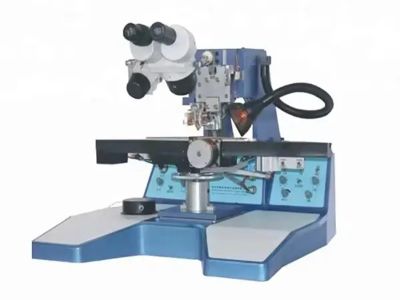
Understanding the process requirements for die bonding equipment in microwave module assembly is crucial for manufacturers aiming to enhance the performance and reliability of their products. This article will address key specifications, selection criteria, quality control measures, and sourcing strategies for Die bonder equipment tailored for the assembly of microwave modules. As B2B buyers consider these factors, they often prioritize efficiency, product quality, and compatibility with existing manufacturing processes. By the end of this article, readers will gain insights into making informed decisions regarding die bonding equipment.
Key Specifications for Die Bonding in Microwave Module Assembly
The specifications for die bonding equipment play a pivotal role in the assembly of microwave modules. Key factors to consider include:
Precision and Alignment: High precision is essential in die bonding to ensure that the components are accurately placed. Equipment should provide alignment capabilities with tolerances typically around ±5 microns. This precision affects the performance of microwave modules significantly, as any misalignment can lead to inefficiencies or failures during operation.
Temperature Control: Effective temperature management is vital during the bonding process. The equipment must maintain consistent temperatures, usually between 150°C to 250°C, depending on the materials used. Inadequate temperature control can lead to poor adhesion or damage to sensitive components.
Bonding Materials Compatibility: The equipment should accommodate various die attach materials, including epoxy, solder, and conductive adhesives. Buyers must evaluate whether the equipment can handle the specific materials required for their microwave module applications.
Cycle Time: The speed of the die bonding process is critical for production efficiency. Equipment that offers rapid cycle times ideally within 30 to 60 seconds per bond can significantly enhance throughput, thereby reducing costs.
Automation Features: An automated die bonding system can improve consistency and reduce labor costs. Features such as robotic handling and integrated vision systems can enhance operational efficiency by minimizing human error.
Understanding these specifications helps buyers select the right equipment that meets both their technical requirements and production goals.
How to Choose Die Bonding Equipment for Your Assembly Needs?
Selecting the appropriate die bonding equipment requires a thorough assessment of specific assembly needs. Here are key considerations:
Application Requirements: Buyers should start by defining the specific applications for which the die bonding equipment will be used. This includes understanding the types of microwave modules being produced, the required performance metrics, and any industry standards that must be met.
Production Volume: The anticipated production volume plays a crucial role in equipment selection. For high-volume manufacturing, investing in advanced automated systems may yield better long-term returns. Conversely, lower volumes might justify less complex and more cost-effective solutions.
Integration with Existing Systems: Compatibility with current manufacturing processes is essential. It's important to assess whether the new Die bonding machine can integrate seamlessly with existing machinery, which can minimize disruptions and additional costs.
Supplier Support and Training: Choosing a supplier that offers comprehensive training and support is vital. This ensures that your team can operate the equipment effectively and troubleshoot any issues that may arise.
Budget Considerations: While cost is always a factor, it’s important to weigh the initial investment against long-term benefits, including reduced operational costs and improved product quality. Buyers should also consider total cost of ownership, which encompasses maintenance, training, and operational expenses.
By carefully analyzing these factors, buyers can make informed decisions that align with their operational needs and financial goals.
Evaluating Quality Control in Die Bonding Processes
Quality control is a critical aspect of the die bonding process that influences the overall success of microwave module assembly. Effective evaluation should include:
Process Monitoring: Implementing real-time process monitoring allows manufacturers to track the bonding parameters continuously. This includes pressure, temperature, and time, ensuring they remain within specified limits. Any deviations can be flagged for immediate correction, thus preventing defects.
Inspection Protocols: Establishing robust inspection protocols, including visual and automated inspections, ensures that each bond meets predefined quality standards. Techniques such as X-ray or ultrasonic testing can be employed to detect any internal defects that are not visible externally.
Material Verification: Ensuring that the bonding materials used are of high quality and suitable for their intended application is essential. Buyers should require certifications or test reports for materials to verify their performance characteristics.
Statistical Process Control (SPC): Utilizing SPC techniques can help in analyzing the variability in the bonding process, allowing businesses to identify trends and implement corrective actions proactively.
Feedback Loops: Establishing feedback loops from production to design teams can facilitate continuous improvement. This ongoing dialogue can help to refine processes and enhance product quality over time.
By prioritizing these quality control measures, manufacturers can minimize defects, enhance reliability, and ensure compliance with industry standards.
Sourcing Die Bonding Equipment Effectively
Sourcing die bonding equipment effectively requires a strategic approach. Here are some practical steps:
Research Suppliers: Start with comprehensive research to identify reputable suppliers who specialize in die bonding equipment. Look for manufacturers with a strong track record in the semiconductor and electronics industry.
Request Proposals: Once potential suppliers are identified, request detailed proposals that outline die bonder equipment specifications, pricing, lead times, and support services. This will facilitate a direct comparison of what each supplier offers.
Evaluate Technical Support: Assess the level of technical support each supplier provides. This includes availability of spare parts, maintenance services, and training for your staff. A supplier that offers robust after-sales support can significantly reduce downtime.
Visit Facilities: If possible, visiting the manufacturing facilities of potential suppliers can provide insights into their quality control processes, production capabilities, and overall reliability.
Check References and Reviews: Contact existing customers or read reviews about the suppliers to gauge their reputation in the market. This can provide valuable insights into their reliability and the performance of their equipment.
By following these steps, buyers can source die bonding equipment that not only meets their technical requirements but also aligns with their operational goals.
Wholesale Sourcing Strategies for Die Bonding Equipment
When engaging in wholesale sourcing of die bonding equipment, consider the following strategies:
Bulk Purchasing Discounts: Negotiate for bulk purchasing discounts when ordering multiple units or related equipment. Suppliers are often willing to provide favorable pricing for large orders, which can significantly reduce costs.
Long-Term Contracts: Establishing long-term contracts with a preferred supplier can lead to better pricing and guaranteed availability of equipment. This can also foster a stronger partnership, leading to improved service and support.
Joint Ventures or Partnerships: For larger companies, exploring joint ventures or partnerships with equipment manufacturers can enhance procurement strategies. This collaboration can lead to customized solutions tailored to specific needs.
Leverage Trade Shows and Industry Events: Attend trade shows and industry events to connect with multiple suppliers in one location. This can provide opportunities to negotiate pricing and terms directly.
Evaluate Total Cost of Ownership: Focus on the total cost of ownership rather than just the purchase price. This includes considering maintenance costs, energy efficiency, and potential downtime costs associated with the equipment.
Adopting these wholesale sourcing strategies can lead to more favorable procurement outcomes, ultimately supporting the long-term success of microwave module assembly operations.