EN
EN
 AR
AR
 BG
BG
 CS
CS
 DA
DA
 NL
NL
 FI
FI
 FR
FR
 DE
DE
 EL
EL
 IT
IT
 KO
KO
 NO
NO
 PL
PL
 PT
PT
 RO
RO
 RU
RU
 ES
ES
 SV
SV
 TL
TL
 IW
IW
 ID
ID
 LT
LT
 SR
SR
 SL
SL
 UK
UK
 VI
VI
 ET
ET
 HU
HU
 TH
TH
 TR
TR
 FA
FA
 AF
AF
 MS
MS
 GA
GA
 IS
IS
 HY
HY
 AZ
AZ
 KA
KA

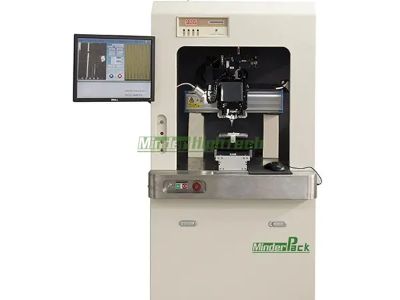
Die bonding is a crucial process in semiconductor manufacturing, involving the attachment of semiconductor dies to substrates or packages. Understanding the die bonding process and its applications is essential for B2B buyers such as purchasing managers, engineers, and product managers who seek to enhance production efficiency and product quality. This article will explore how to choose the right die bonder for production needs, highlight top applications in semiconductor manufacturing, discuss sourcing quality Die bonding machine, examine cost factors to consider, and identify common problems in die bonding along with effective solutions.
How to Choose the Right Die Bonder for Your Production Needs
Selecting the appropriate die bonder is critical for ensuring optimal performance in semiconductor assembly. When evaluating different models, buyers should consider several key factors:
Type of Bonding: Different die bonder support various bonding methods, such as epoxy, solder, or thermo compression. The choice will depend on the specific materials and thermal management requirements of the application.
Compatibility with Materials: Evaluate the materials that will be used in conjunction with the die bonder. For instance, certain adhesives may require specific curing temperatures or pressures that need to be compatible with the bonding equipment.
Production Capacity: Assess your production volume and consider whether the die bonder can accommodate your throughput needs. Higher volume operations may require automated systems that can handle multiple dies simultaneously.
Precision and Accuracy: The required precision level will directly impact the choice of die bonder. Look for specifications on placement accuracy and repeatability, as these factors are crucial for maintaining product quality.
Customization Options: Depending on the complexity of your applications, you might need a die bonder that offers customization capabilities. This flexibility can be vital for adapting to evolving production requirements.
Choosing the right die bonder can significantly affect both efficiency and the final quality of semiconductor products. It’s advisable to consult with manufacturers, like Minder-Hightech, who offer in-depth product knowledge and can guide you toward the best solution for your specific needs.
Top Applications of Die Bonding in Semiconductor Manufacturing
Die bonding is pivotal in various applications within semiconductor manufacturing, including:
Integrated Circuits (ICs): Die bonding is essential for assembling ICs, where precise placement of dies onto substrates is required to create functional electronic components.
Power Devices: In power electronics, die bonding ensures robust thermal management and electrical performance. The choice of bonding materials and techniques can enhance device reliability under high-stress conditions.
RF and Microwave Devices: For radio frequency and microwave applications, die bonding contributes to maintaining signal integrity and minimizing losses, which are critical for high-frequency performance.
MEMS (Micro-Electro-Mechanical Systems): Die bonding is integral to the fabrication of MEMS devices, where small-scale components must be accurately aligned and securely attached to ensure functionality.
LEDs (Light Emitting Diodes): In LED manufacturing, die bonding technology is crucial for thermal management to enhance light output and longevity.
These applications underscore the importance of selecting the right die bonding method and equipment to ensure optimal performance and reliability in semiconductor devices.
Sourcing Quality Die Bonding Equipment
When sourcing die bonding equipment, it’s essential to prioritize quality and reliability. Here are some factors to consider:
Manufacturer Reputation: Look for manufacturers with a proven track record in the semiconductor industry. Research their history, customer reviews, and case studies to gauge their reliability.
Quality Control Processes: Investigate the manufacturer’s quality control measures. A robust quality assurance process ensures that the Die bonder meet performance standards and regulatory requirements.
Technical Support and Maintenance: Choose suppliers who offer comprehensive support services, including installation, training, and ongoing maintenance. This support can be vital for minimizing downtime and ensuring optimal operation.
Warranty and Service Agreements: Understand the warranty terms and service agreements provided by the supplier. A good warranty can provide peace of mind and protect your investment.
Customization Capabilities: Consider whether the manufacturer can tailor equipment to meet specific production needs. Custom solutions can enhance efficiency and productivity.
Sourcing quality die bonding equipment from reputable manufacturers like Minder-Hightech ensures that you receive products that enhance manufacturing efficiency and product quality.
Cost Factors to Consider When Purchasing Die Bonding Solutions
Understanding the cost factors associated with die bonding equipment is crucial for making informed purchasing decisions. Here are key considerations:
Initial Investment: The upfront cost of the die bonder is the most significant factor. Prices can vary widely based on capabilities, precision, and automation features.
Operational Costs: Evaluate the long-term operational costs, including maintenance, consumables (like adhesives), and energy consumption. Efficient equipment can lead to lower operational costs over time.
Downtime Costs: Factor in the potential costs of equipment downtime. Reliable equipment with good support can minimize downtime and its associated costs.
Training and Installation: Consider the costs related to training staff and installing the equipment. Comprehensive training can ensure that operators use the equipment effectively, reducing mistakes and inefficiencies.
Resale Value: Assess the potential resale value of the equipment. High-quality die bonder from reputable manufacturers may retain value better than lower-quality alternatives.
By carefully evaluating these cost factors, buyers can make more informed decisions that align with their budget and production goals.
Common Problems in Die Bonding and Effective Solutions
Die bonding processes can present various challenges that may affect production quality. Here are some common problems and their solutions:
Poor Adhesion: One of the most frequent issues is inadequate adhesion between the die and substrate. This can be addressed by ensuring that surfaces are clean and properly prepared before bonding. Choosing the right adhesive material based on thermal and chemical compatibility is also crucial.
Misalignment: Misalignment during the bonding process can lead to functional failures. Implementing advanced alignment technologies and ensuring precise calibration of the bonder can minimize this issue.
Thermal Management Issues: Inadequate thermal management can lead to overheating and device failure. Consider using die bonding materials with good thermal conductivity and implementing appropriate cooling solutions in your design.
Contamination: Contaminants can compromise the bond integrity. Establishing strict cleanroom protocols and regular equipment maintenance can help mitigate contamination risks.
Equipment Malfunction: Regular equipment maintenance and calibration are essential to avoid malfunctions that can disrupt production. Engaging with suppliers that provide robust technical support can also help diagnose and resolve issues quickly.
Understanding these common problems and their solutions can empower buyers to select the right die bonding systems and implement effective quality control measures in their production processes.
By focusing on these key aspects of die bonding processes and equipment, B2B buyers can enhance their decision-making, leading to improved efficiency and product quality in their semiconductor manufacturing operations.