EN
EN
 AR
AR
 BG
BG
 CS
CS
 DA
DA
 NL
NL
 FI
FI
 FR
FR
 DE
DE
 EL
EL
 IT
IT
 KO
KO
 NO
NO
 PL
PL
 PT
PT
 RO
RO
 RU
RU
 ES
ES
 SV
SV
 TL
TL
 IW
IW
 ID
ID
 LT
LT
 SR
SR
 SL
SL
 UK
UK
 VI
VI
 ET
ET
 HU
HU
 TH
TH
 TR
TR
 FA
FA
 AF
AF
 MS
MS
 GA
GA
 IS
IS
 HY
HY
 AZ
AZ
 KA
KA

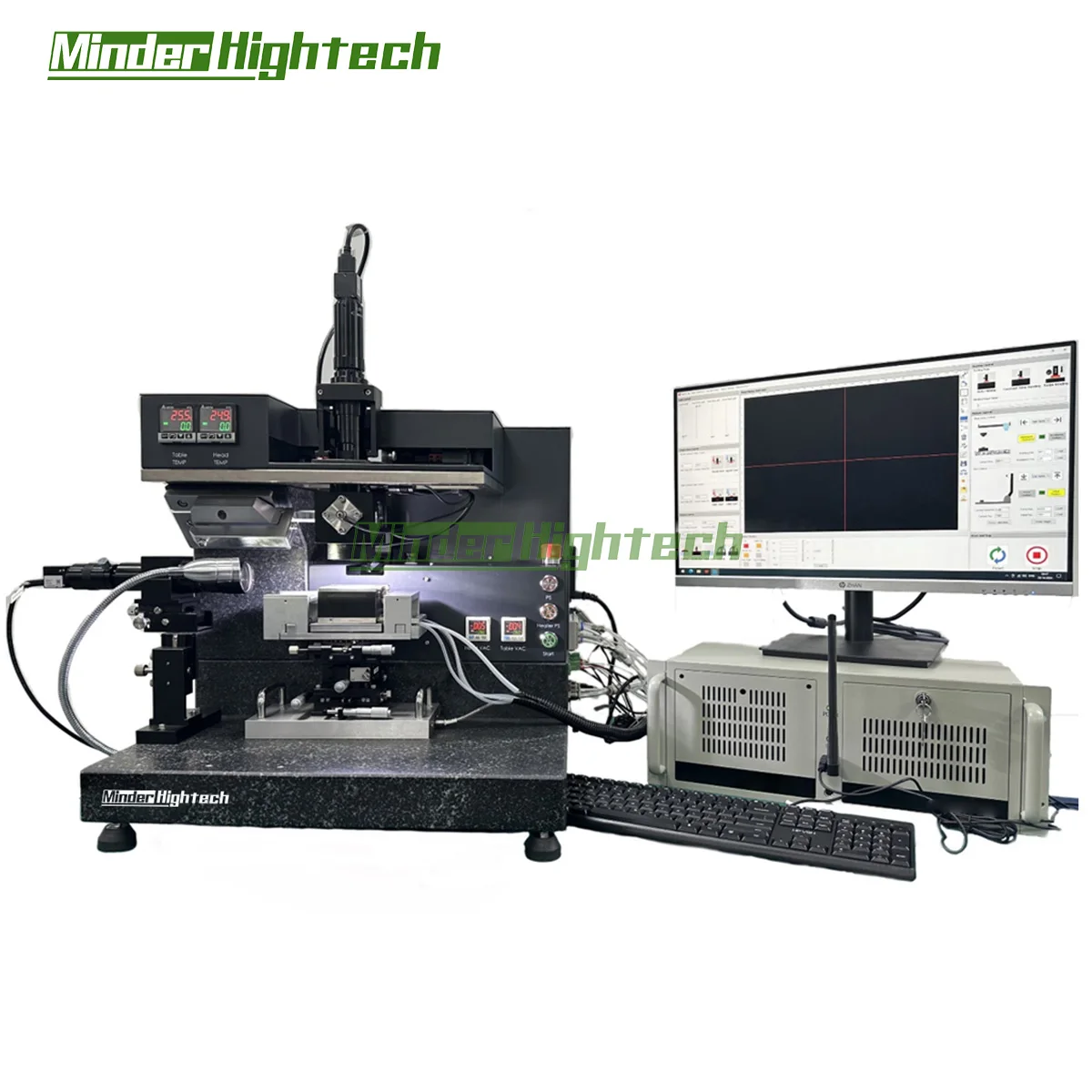
Eutectic bonding is a critical process in the semiconductor and electronics manufacturing sectors, offering distinct advantages that can enhance product performance and reduce production costs. Understanding these key advantages is vital for purchasing managers, engineers, and product managers who seek efficient, high-quality bonding methods. This article discusses the key benefits of Ultrasonic Wire Bonding, practical applications in semiconductor production, and considerations for sourcing and implementing these solutions effectively.
What Are the Key Advantages of Eutectic Bonding for Manufacturers?
Eutectic bonding involves the use of a eutectic alloy that melts at a lower temperature than the individual components, allowing for strong and reliable bonds between different materials. One of the primary advantages for manufacturers is the ability to achieve a robust interconnection while minimizing thermal stress on sensitive components. This is particularly beneficial in semiconductor applications where heat can damage delicate circuitry.
Another advantage is the enhanced electrical conductivity provided by eutectic bonds, which is crucial for high-performance electronic devices. Eutectic bonding also allows for excellent mechanical strength, making it suitable for applications that require durability under stress or vibration. Additionally, the process is compatible with various substrate materials, enabling flexibility in design and manufacturing processes.
How Eutectic Bonding Enhances Product Quality in Semiconductor Applications?
In semiconductor applications, product quality is paramount. Eutectic bonding contributes to this quality through several mechanisms. Firstly, the precise control of the bonding temperature and time leads to consistent bond formation, reducing variability that can affect electrical performance. The low-temperature nature of eutectic bonding prevents thermal degradation of sensitive semiconductor materials, preserving their integrity.
Moreover, eutectic bonding provides excellent thermal and electrical properties, resulting in lower resistance and improved heat dissipation. This is particularly important in high-frequency applications where performance can be significantly impacted by subpar connections. By ensuring that the bond interface is free from contaminants, manufacturers can further enhance reliability and longevity, reducing the likelihood of product failures.
Where to Source Reliable Eutectic Bonding Solutions for Bulk Orders?
When sourcing eutectic bonding solutions, it is essential to partner with reputable manufacturers that specialize in semiconductor and electronic equipment. Companies like Minder-Hightech offer one-stop IC pack wire bonder solutions, providing not only the bonding equipment but also expertise in quality control and process optimization.
Buyers should evaluate suppliers based on their manufacturing capabilities, production equipment, and track record in delivering consistent quality. It is advisable to request samples or conduct pilot runs to validate the bonding performance and ensure compatibility with specific applications. Additionally, consider suppliers that offer customization options to meet unique project requirements, as this can lead to better integration and performance in the final product.
What Specifications Should Buyers Consider for Eutectic Bonding?
Buyers should carefully evaluate several specifications when considering eutectic bonding solutions. Key specifications include:
Material Compatibility: Ensure that the eutectic alloy is compatible with the materials being bonded. The selection of alloy affects bonding strength and electrical properties.
Bonding Temperature and Time: These parameters are critical for achieving optimal bonding. A lower bonding temperature can mitigate thermal stress on sensitive components, while the time must be sufficient to ensure complete melting and mixing of materials.
Mechanical Strength: Assess the tensile and shear strength of the bond to ensure it meets the application's mechanical requirements, especially in high-stress environments.
Thermal and Electrical Conductivity: These properties are crucial for performance. Evaluate how the eutectic bonding will impact the overall thermal management and electrical performance of the device.
Quality Control Processes: Understanding the supplier's quality control measures can provide insights into the reliability of the bonding process and the final product.
Installation Guidance for Eutectic Bonding in Industrial Applications
Proper installation of eutectic bonding is essential for achieving optimal results. Here are some key considerations:
Surface Preparation: Ensure that the surfaces to be bonded are clean and free from contaminants. This may involve chemical cleaning or surface treatments to enhance bond strength.
Equipment Calibration: Regularly calibrate bonding equipment to maintain precision in temperature and pressure settings. This helps in achieving consistent bonding results.
Monitoring During Bonding: Implement real-time monitoring of temperature and pressure during the bonding process to ensure that conditions remain within specified parameters.
Post-Bonding Inspection: Conduct thorough inspections post-bonding to identify any defects or inconsistencies. Techniques such as X-ray imaging or ultrasonic testing can help detect hidden flaws that might affect performance.
Sample Testing: Before full-scale production, it is advisable to test samples under actual operational conditions. This will provide insights into the bond's performance and help identify any necessary adjustments to the process.
In summary, understanding the key advantages of eutectic bonding and effectively navigating the specifications and installation processes can significantly improve the quality and reliability of semiconductor products. By choosing the right TO pack wire bonder solutions and working with experienced manufacturers, buyers can enhance efficiency and performance while minimizing risks in their production processes.
Table of Contents
- What Are the Key Advantages of Eutectic Bonding for Manufacturers?
- How Eutectic Bonding Enhances Product Quality in Semiconductor Applications?
- Where to Source Reliable Eutectic Bonding Solutions for Bulk Orders?
- What Specifications Should Buyers Consider for Eutectic Bonding?
- Installation Guidance for Eutectic Bonding in Industrial Applications