EN
EN
 AR
AR
 BG
BG
 CS
CS
 DA
DA
 NL
NL
 FI
FI
 FR
FR
 DE
DE
 EL
EL
 IT
IT
 KO
KO
 NO
NO
 PL
PL
 PT
PT
 RO
RO
 RU
RU
 ES
ES
 SV
SV
 TL
TL
 IW
IW
 ID
ID
 LT
LT
 SR
SR
 SL
SL
 UK
UK
 VI
VI
 ET
ET
 HU
HU
 TH
TH
 TR
TR
 FA
FA
 AF
AF
 MS
MS
 GA
GA
 IS
IS
 HY
HY
 AZ
AZ
 KA
KA

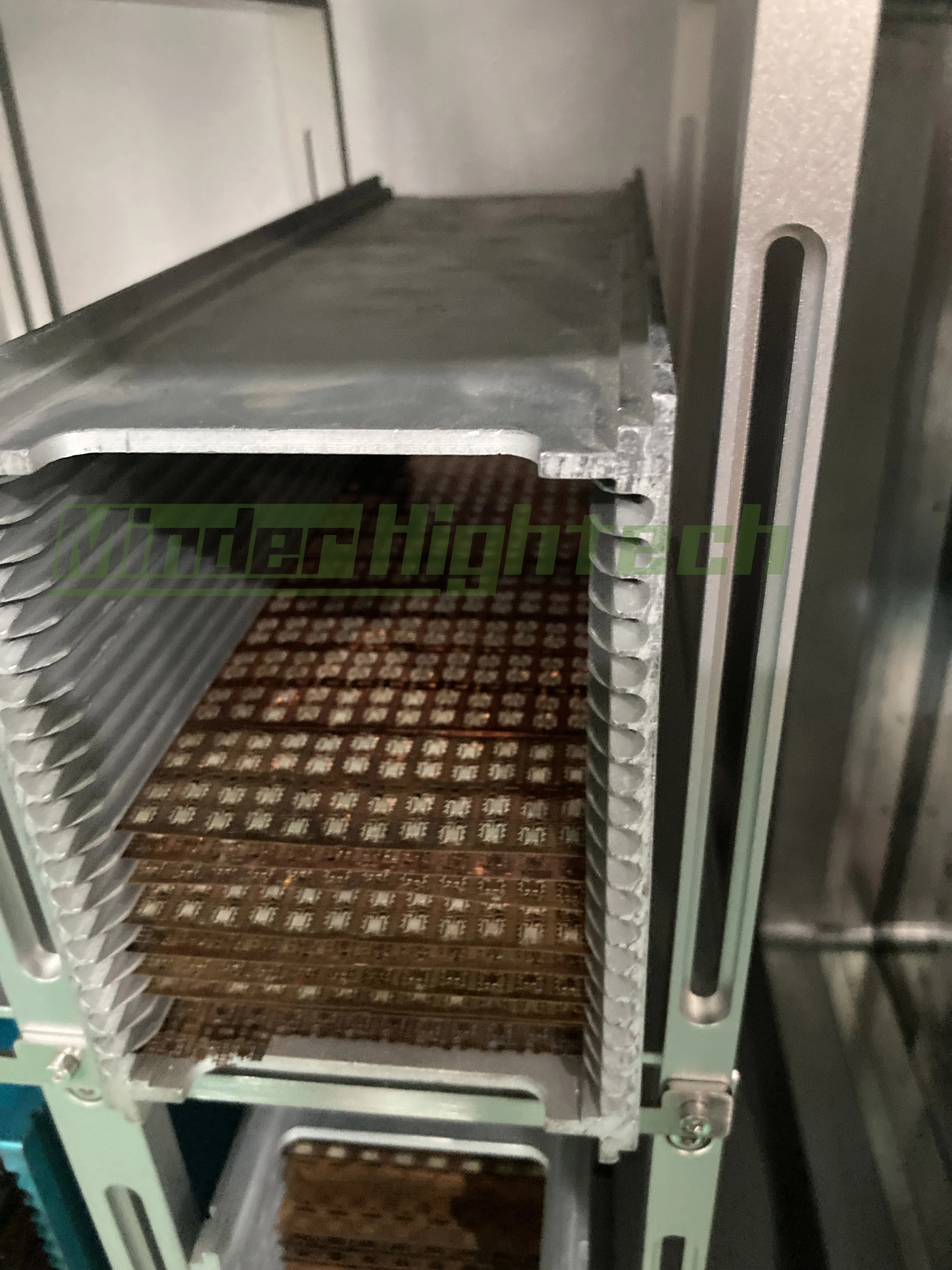
In the rapidly evolving landscape of optical communications, System-in-Package (SiP) technology stands out for its ability to integrate multiple functions into a single compact module. This integration is crucial for enhancing the performance and efficiency of optical systems, particularly in areas where space and power consumption are at a premium. For purchasing managers and engineers in the optical communications industry, understanding the applications of SiP technology is vital for making informed decisions that impact performance, reliability, and cost. This article will explore the specific applications of Minder-Hightech advanced package technology in optical communications, guiding you through essential considerations for choosing the right solutions for your projects.
What Are the Key Applications of SiP in Optical Communications?
System-in-Package technology is increasingly utilized in various applications within the optical communications industry. One prominent application is in transceivers, where SiP allows for the integration of photodetectors, lasers, and electronic circuitry into a single package. This compact design not only reduces the overall footprint but also minimizes interconnect losses, enhancing signal integrity.
Another significant application is in optical networking components, such as switches and routers. SiP technology facilitates the integration of multiple functionalities, allowing for higher data rates and improved performance in a smaller space. This is particularly important in data centers and telecommunications networks, where space and energy efficiency are critical.
Additionally, SiP is employed in fiber optic sensors, which are used in various monitoring applications, including structural health monitoring and environmental sensing. The integration of sensing elements with processing electronics within a single package helps to streamline the sensor design, improving reliability and reducing costs.
How to Choose the Right SiP Solutions for Your Optical Projects?
Selecting the appropriate SiP solution for optical applications involves several key considerations. First, assess the specific requirements of your project, including performance parameters such as data rate, power consumption, and environmental conditions. These factors will guide your choice of materials and design specifications.
Second, consider the compatibility of the SiP with existing systems. Ensure that the integration of SiP technology will not disrupt the current architecture or performance of your optical systems. It may be beneficial to consult with your SiP supplier regarding potential integration challenges and solutions.
Lastly, evaluate your supplier's manufacturing capabilities and quality control processes. A supplier with robust quality assurance measures can help mitigate risks associated with defects and performance issues. At Minder-Hightech, we emphasize stringent quality control in our SiP manufacturing processes, ensuring that our products meet the highest industry standards.
Cost-Effectiveness of SiP in Optical Systems
The cost-effectiveness of SiP technology in optical communications is a significant consideration for buyers. By integrating multiple components into a single package, SiP reduces the overall material and assembly costs. Additionally, the compact nature of SiP can lead to savings in PCB space and associated manufacturing costs.
However, it is essential to analyze the total cost of ownership, which includes not only the initial purchasing cost but also factors such as operational costs, maintenance, and potential downtime. SiP solutions can lead to lower operational costs due to enhanced efficiency and reduced power consumption, making them an attractive option for long-term investments.
When assessing cost-effectiveness, engage with your supplier to understand the pricing structure of SiP solutions, including any customization options that may affect pricing. Cost considerations should align with the anticipated performance and reliability benefits of the chosen SiP technology.
Technical Specifications of SiP for High-Performance Optical Devices
When evaluating SiP solutions for optical devices, several technical specifications are crucial. Key specifications include:
Integration Density: The number of functions integrated into a single package affects both performance and size. Higher integration density typically yields better performance in compact environments.
Thermal Management: Effective thermal management is essential for maintaining performance in high-speed optical applications. Consider Minder-Hightech advanced package solutions with efficient heat dissipation mechanisms.
Signal Integrity: Look for specifications related to insertion loss, return loss, and crosstalk. These parameters directly impact the overall performance of optical communication systems.
Operating Conditions: Ensure that the SiP can operate within the required temperature and humidity ranges typical for your application. This is particularly important in outdoor deployments or harsh environments.
By understanding these technical specifications, buyers can better assess the suitability of SiP solutions for their specific optical applications.
Installation Guidance for SiP in Optical Communication Systems
Proper installation of SiP technology is vital to ensure optimal performance in optical communication systems. Here are some essential guidelines:
Pre-Installation Testing: Before installing SiP components, conduct thorough testing of the modules to ensure they meet performance specifications. Testing should include signal integrity assessments and thermal performance evaluations.
Handling and Packaging: Given the compact nature of SiP, ensure that handling procedures minimize the risk of damage. Use appropriate packaging methods to protect the components during transportation and storage.
Integration with Existing Systems: Pay careful attention to the integration of SiP modules with existing optical systems. Compatibility checks and alignment procedures are crucial to avoid performance degradation.
Documentation and Support: Make sure to have access to detailed installation manuals and support from the supplier. This can include guidance on soldering techniques, thermal management practices, and troubleshooting tips.
By following these guidelines, you can enhance the reliability and performance of SiP solutions within your optical communication systems.
understanding the applications of System-in-Package technology in the optical communications industry is essential for making informed purchasing decisions. By considering key factors such as application requirements, cost-effectiveness, technical specifications, and installation best practices, you can optimize your Minder-Hightech Advanced Package die bonding machine for improved performance and efficiency.
Table of Contents
- What Are the Key Applications of SiP in Optical Communications?
- How to Choose the Right SiP Solutions for Your Optical Projects?
- Cost-Effectiveness of SiP in Optical Systems
- Technical Specifications of SiP for High-Performance Optical Devices
- Installation Guidance for SiP in Optical Communication Systems