EN
EN
 AR
AR
 BG
BG
 CS
CS
 DA
DA
 NL
NL
 FI
FI
 FR
FR
 DE
DE
 EL
EL
 IT
IT
 KO
KO
 NO
NO
 PL
PL
 PT
PT
 RO
RO
 RU
RU
 ES
ES
 SV
SV
 TL
TL
 IW
IW
 ID
ID
 LT
LT
 SR
SR
 SL
SL
 UK
UK
 VI
VI
 ET
ET
 HU
HU
 TH
TH
 TR
TR
 FA
FA
 AF
AF
 MS
MS
 GA
GA
 IS
IS
 HY
HY
 AZ
AZ
 KA
KA

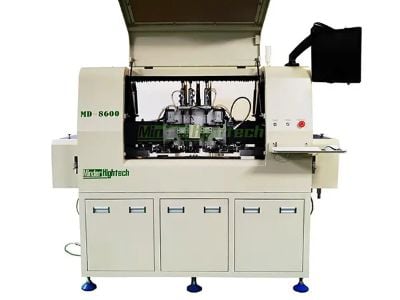
Epoxy die bonding is a critical process in semiconductor and electronic manufacturing that involves using epoxy adhesives to attach die to substrates. This method offers significant advantages in terms of performance, reliability, and efficiency. For purchasing managers, engineers, and product managers, understanding the advantages and applications of epoxy die bonding is essential for making informed decisions that enhance product quality and manufacturing efficiency. This article explores the key considerations when selecting epoxy for die bonding applications, compares it with alternative methods, delves into specifications to consider, addresses common issues, and highlights its applications in semiconductor manufacturing
How to Choose the Right Epoxy for Die Bonding Applications
Selecting the right epoxy die bonder for die bonding is crucial to ensure optimal performance and reliability in electronic devices. Key factors to consider include thermal conductivity, cure temperature, viscosity, and adhesion properties
Thermal Conductivity: A higher thermal conductivity epoxy is preferable for applications where heat dissipation is critical, such as in power devices. This ensures that heat generated during operation is effectively managed, preventing device failure
Cure Temperature: Depending on the manufacturing process, the cure temperature of the epoxy is vital. Low-temperature curing epoxies are advantageous for heat-sensitive components, while higher-temperature options may be required for robust applications
Viscosity: The viscosity impacts the ease of application and the quality of the bond. Lower viscosity epoxies can fill gaps better and provide a more uniform bond, while higher viscosity options may be better for specific applications requiring thicker layers
Adhesion Properties: The epoxy must bond effectively to the materials used in die and substrates. Conducting adhesion tests can help verify compatibility with specific materials
By understanding these factors, buyers can select an epoxy that meets their specific application needs, ensuring effective bonding and long-term reliability
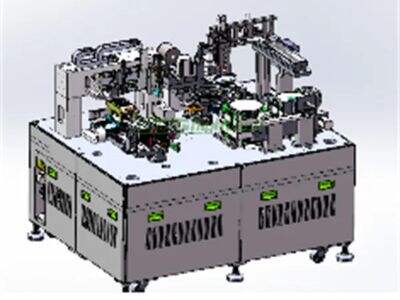
Comparing Epoxy Die Bonding to Alternative Bonding Methods
Epoxy die bonding offers several advantages over alternative bonding methods, such as soldering and conductive adhesives
Thermal Stability: Epoxies provide superior thermal stability compared to traditional soldering, which can become brittle under thermal stress. This characteristic is crucial in high-temperature environments
Electrical Insulation: Unlike solder, epoxy adhesives can provide excellent electrical insulation, making them ideal for applications where electrical isolation between components is necessary
Flexibility: Epoxy die bonding can accommodate thermal expansion differences between materials better than rigid solder joints, reducing the risk of mechanical failure due to thermal cycling
Versatility: Epoxy adhesives can bond a wide variety of materials, including metals, ceramics, and plastics, whereas soldering is limited primarily to metals. This versatility allows for more complex designs in electronic assemblies
Ultimately, the choice between epoxy die bonding and alternative methods will depend on specific application requirements, including environmental conditions, material compatibility, and desired performance characteristics
Specifications to Consider When Sourcing Die Bonding Adhesives
When sourcing die bonding machine adhesives, several specifications must be evaluated to ensure suitability for the intended application
Bond Strength: Evaluate the tensile and shear strength of the adhesive. High bond strength is critical for maintaining the integrity of the die under mechanical stress
Cure Time: Consider the cure time necessary for the epoxy to reach its optimal strength. Faster curing times can enhance production efficiency but may require careful handling to avoid premature failure
Chemical Resistance: The adhesive should withstand exposure to chemicals that may be encountered during manufacturing or operational environments. Testing for compatibility with potential contaminants is advisable
Shelf Life: Understanding the shelf life of the adhesive is essential for inventory management and ensuring that the product remains effective throughout its usage period
Compliance and Certifications: Ensure that the adhesive meets relevant industry standards and certifications, which may vary based on the application and market
By paying attention to these specifications, buyers can ensure they source die bonding adhesives that will perform reliably in their specific applications

Common Problems in Die Bonding and Practical Solutions
Die bonding can present several challenges that may affect the quality and reliability of the final product. Here are some common issues and practical solutions
Poor Adhesion: This can occur due to surface contamination or incorrect material pairing. To mitigate this, conduct thorough cleaning of surfaces before bonding and ensure compatibility between the adhesive and substrates
Bubbles and Voids: Air bubbles can form during the application of epoxy, leading to weak bonds. Utilizing vacuum dispensing methods or degassing the epoxy before application can help eliminate trapped air
Inconsistent Curing: Variations in temperature can lead to uneven curing, affecting the bond strength. Implementing controlled curing environments and monitoring temperature during the curing process can help ensure consistent results
Mechanical Failures: Inadequate bond strength due to incorrect adhesive selection can lead to mechanical failures in operation. Regular testing of bond strength and revisiting the selection criteria for adhesives can prevent these issues
By proactively addressing these common problems, manufacturers can enhance the reliability of their die bonding processes
Applications of Epoxy Die Bonding in Semiconductor Manufacturing
Epoxy Die bonding machine plays a pivotal role in various applications within the semiconductor manufacturing sector. Its versatility makes it suitable for
Integrated Circuits (ICs): Epoxy die bonding is widely used in attaching die to lead frames or substrates, ensuring secure electrical connections while providing thermal stability
Power Devices: The thermal management capabilities of epoxy adhesives are crucial in power electronics, where efficient heat dissipation is necessary for device longevity
MEMS Devices: Microelectromechanical systems (MEMS) benefit from the use of epoxy die bonding due to its ability to bond dissimilar materials and withstand harsh operating conditions
Optoelectronics: In applications such as LED manufacturing, epoxy die bonding enables the efficient attachment of chips to substrates, ensuring reliable performance in lighting applications
Understanding the various applications of epoxy die bonding allows manufacturers to select the appropriate adhesives and techniques for their specific projects, ultimately enhancing product quality and performance
In summary, epoxy die bonding offers numerous advantages and applications in semiconductor manufacturing. By carefully selecting the right epoxy, comparing it to alternative methods, considering essential specifications, addressing common issues, and understanding its applications, industry professionals can make informed decisions that enhance efficiency and product quality
Table of Contents
- How to Choose the Right Epoxy for Die Bonding Applications
- Comparing Epoxy Die Bonding to Alternative Bonding Methods
- Specifications to Consider When Sourcing Die Bonding Adhesives
- Common Problems in Die Bonding and Practical Solutions
- Applications of Epoxy Die Bonding in Semiconductor Manufacturing